Chelsea's Median Price Describes an Apartment That Doesn't Exist
September 10, 2026
September 10, 2026
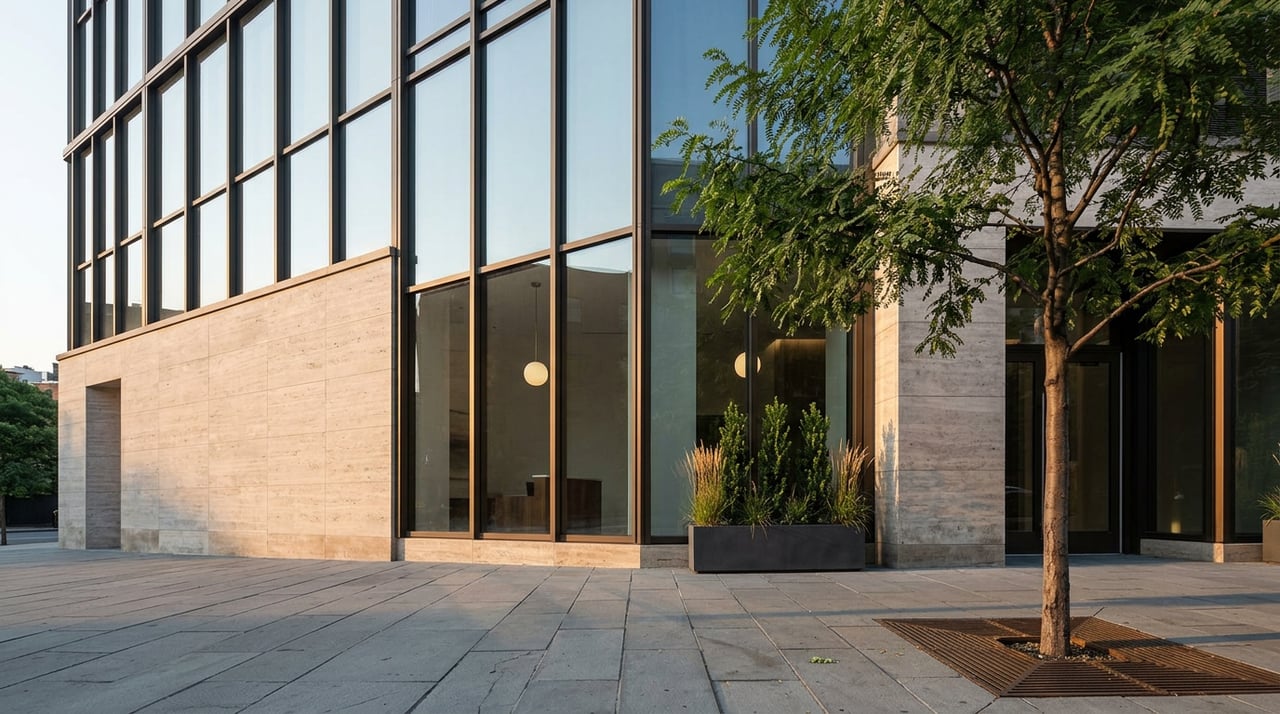
Picture two buyers touring Chelsea in the same week, both with a budget around $2 million. One walks into a glass tower on West 18th Street with a private terrace overlooking the High Line. The other walks into a prewar co-op on Ninth Avenue with crown moldings, a windowed kitchen, and four hundred more square feet. Both listings are in Chelsea. Both showed up under the same search filter. Neither buyer is looking at anything close to what the other saw.
That gap is not an anomaly. It is the neighborhood working as designed, and it is the reason the median price you saw on a portal search tells you almost nothing useful about what your money buys here.
Chelsea runs from 14th to 30th Street, Sixth Avenue to the Hudson River, and inside that span sits what brokers who track the neighborhood closely describe as two markets operating under one name. West of Tenth Avenue, toward the High Line and the river, the inventory is almost entirely new-construction condominium: large floor plates, full-service amenities, High Line frontage, and price tags to match. East of Eighth Avenue, the stock tilts toward prewar co-ops and converted industrial lofts, priced at roughly half the per-square-foot rate of their western counterparts.
The blended median that shows up in a single search result averages across both. It is a real number, but it does not describe any apartment you can actually walk into. A buyer anchoring to that figure is comparing, without realizing it, a bathroom-and-a-half prewar co-op against a full-floor penthouse with river views.
The volatility in the data backs this up. Chelsea's monthly transaction volume is thin enough that a single month can swing wildly: one May 2026 tracking period showed the median condo price up nearly 60 percent year over year and the median co-op price up more than 47 percent, on a sample of just 85 closed sales for the month. Numbers that move that much in that little time aren't describing a trend. They're describing a small dataset getting pulled in different directions by whichever side of the neighborhood happened to transact more that month.
The clearest way to see the split is to look at what's actually selling on each side of it.
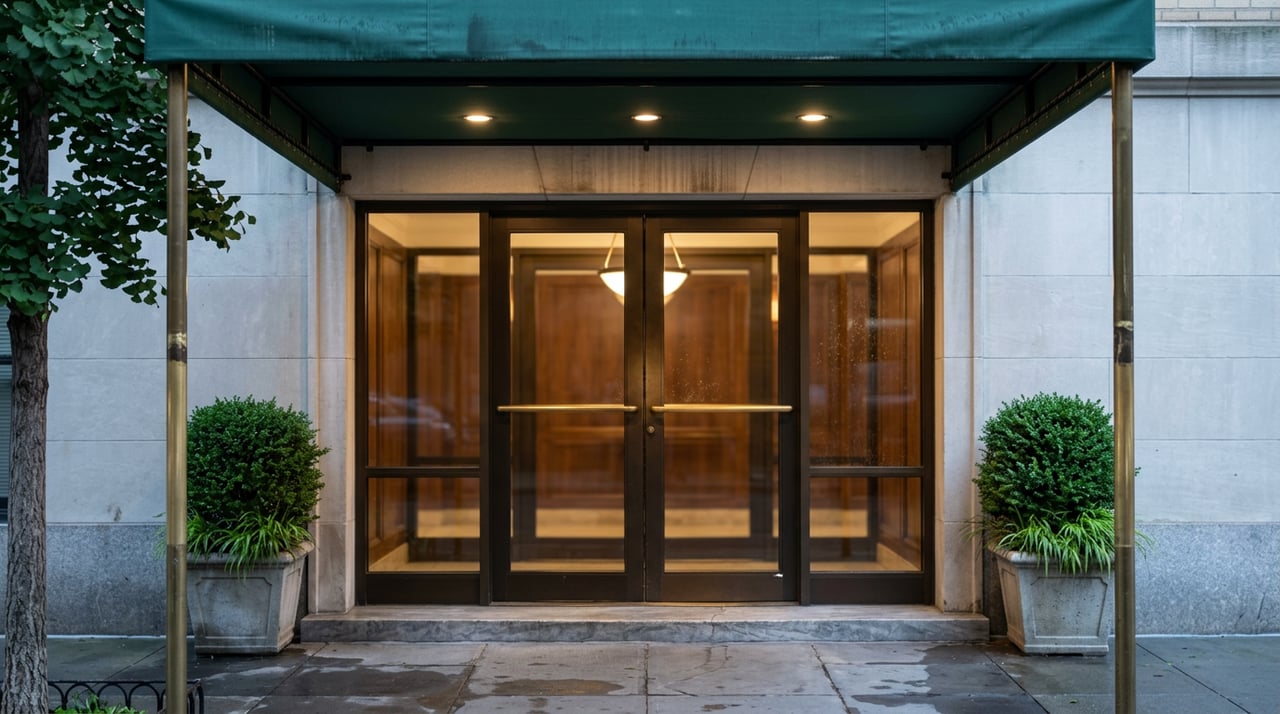
On the west side, One Highline at 500 West 18th Street sets the tone. Designed by Bjarke Ingels Group and developed by Witkoff and Access Industries, the building's twisting travertine towers average more than $3,100 per square foot, with one-bedrooms starting around $2.13 million, three-bedrooms from $6.2 million, and penthouses trading between $25 million and $52 million. It's a condominium, which means no co-op board, no shareholder interview, and a right of first refusal that's rarely exercised. A few blocks north, Lantern House and 520 West 28th occupy the same tier. Further along the Hudson River Greenway, a 20-story condominium rising at 550 West 21st Street is bringing roughly 75 more high-end homes to that same corridor, a sign that new supply on the west side isn't slowing down. Even the newer boutique buildings play at west-side prices: Linea, a 32-unit condominium delivered at 428 West 19th Street, opened with studios starting near $1.295 million and three-bedrooms above $3.5 million.
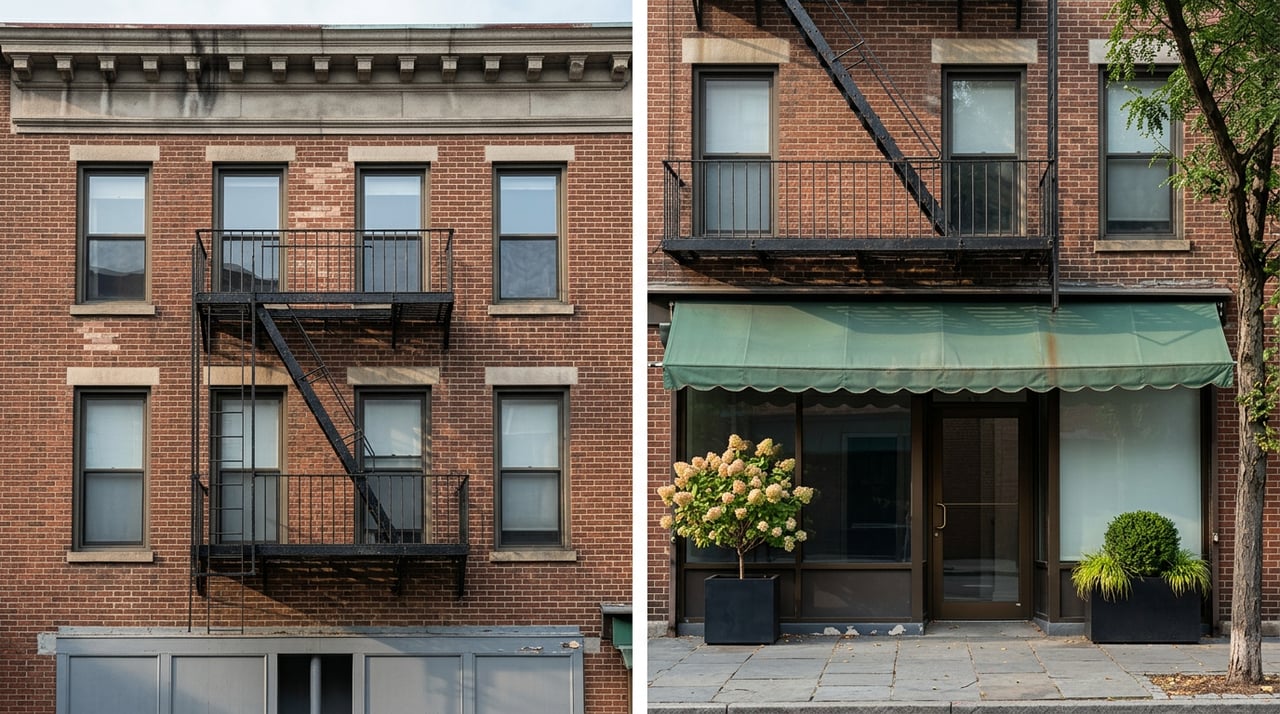
Cross the neighborhood to the east and the building stock changes character entirely. Walker Tower, a converted prewar landmark, represents the classic tier: co-op and loft-style ownership, older floor plans, and per-square-foot pricing that runs roughly half of what the western flagships command, typically in the $1,400 to $2,200 range against the west side's $2,800 to $4,500-plus.
That's not two ends of one spectrum. It's two different products that happen to share a zip code.
Buildings within one block of the High Line trade 15 to 25 percent above otherwise comparable inventory just three blocks east, a premium that shows up in both sale prices and rents.
The gap isn't random, and it isn't likely to close. West Chelsea has the High Line itself, a public amenity no other Manhattan neighborhood can replicate at this scale, plus the density of the gallery district that first drew creative buyers and collectors to the area. New development has followed that demand west, toward the larger parcels available near the river, while the east side's zoning and building footprint favor renovation of existing prewar stock over ground-up construction.
The pipeline reinforces the divide rather than closing it. In West Chelsea, Related Companies and Essence Development are working with the New York City Housing Authority on the Fulton and Elliott-Chelsea redevelopment, one of the largest projects the neighborhood has seen, built around a resident engagement process that began back in 2019. Combined with buildings like 550 West 21st still delivering new units, the west side keeps adding new-construction inventory at new-construction prices, while the east side's supply stays essentially fixed to whatever prewar buildings already exist.
The price divide gets most of the attention, but the process divide is what actually catches buyers off guard once they're under contract.
Chelsea's building stock spans prewar co-ops, converted industrial lofts, postwar condos, and the newer High Line towers, and each comes with a different approval reality:
A buyer who assumes "Chelsea" means one process, because it means one search filter, finds out otherwise the first time they submit a renovation package to a prewar co-op board and compare notes with a friend who closed on a west-side condo the same month with a fraction of the review.
The practical takeaway isn't that one side of Chelsea is better. It's that the median price you saw before you started touring is the wrong number to anchor to, because it's averaging two products that don't compete with each other for the same buyer.
If you're drawn to condo flexibility, new construction, and High Line proximity, expect to pay the west-side premium and skip the board process entirely. If you're drawn to prewar character, larger layouts for the dollar, and you're willing to sit through a co-op board's engineer review, the east side is where that trade actually exists. The mistake is walking into either conversation expecting the other side's price or the other side's process.
Is the High Line premium worth paying? That depends entirely on how much you value the amenity itself. The 15 to 25 percent premium shows up consistently in both sale prices and rents for buildings within a block of the park versus similar inventory a few blocks east, so it's a real and durable cost difference, not a temporary market quirk.
Are co-ops in Chelsea actually cheaper to renovate than condos? Not necessarily. Co-ops often have lower purchase prices per square foot, but they add a shareholder board's independent engineer review to the process, which the buyer typically pays for. Condos skip that board layer but still require a management and engineer review, so the paperwork gap is smaller than buyers expect.
Does the East Chelsea and West Chelsea divide show up in rentals too? Yes. Rental data shows the same 15 to 25 percent premium for units west of Tenth Avenue with High Line proximity compared to similar units east of Ninth Avenue, which suggests the split is structural to the neighborhood rather than specific to the sales market.
Chelsea rewards buyers who know which side of that avenue line they actually want to be on before they start touring, not after they've fallen for a listing on the wrong side of their budget. If you're weighing a west-side condo against an east-side co-op, or trying to figure out which trade-off fits how you actually plan to live, Fainna Kagan can walk the comparison with you block by block. Schedule a private consultation.
Stay up to date on the latest real estate trends.
Known for her commitment and responsiveness to her clients, Fainna Kagan has repeatedly set records on the highest selling priced properties. Connect with her today!