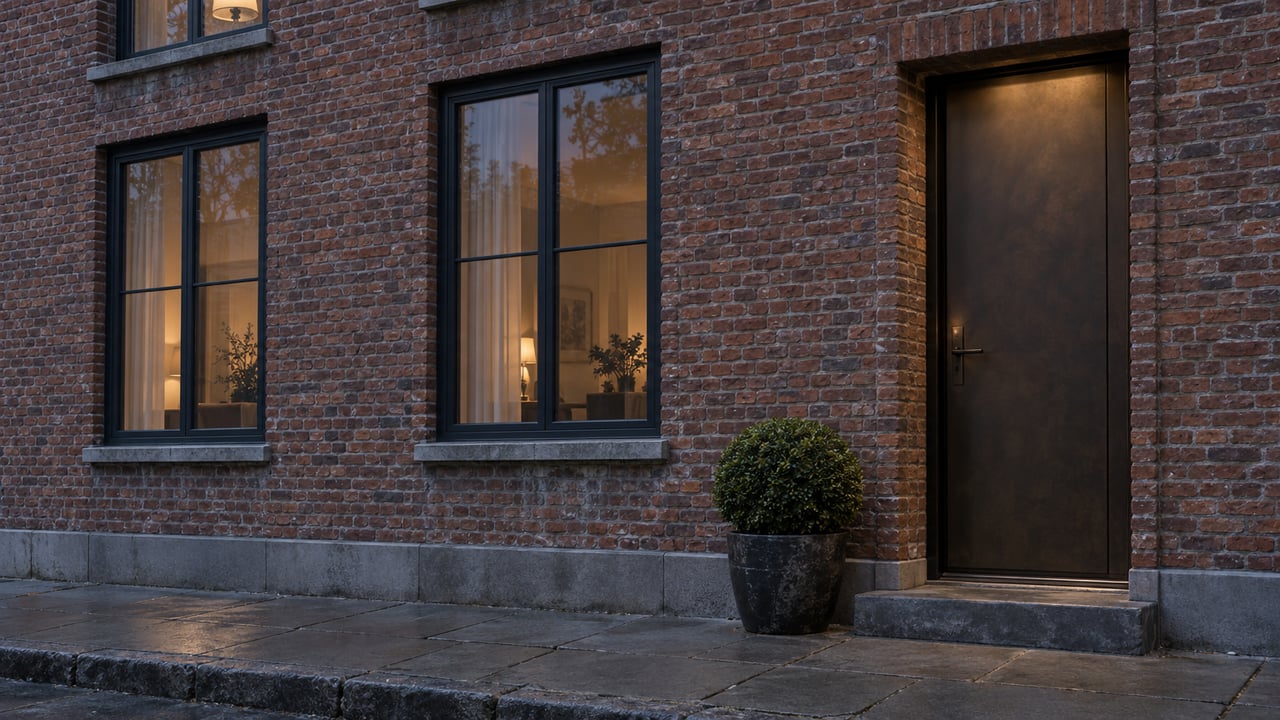
Where Things Stand for the Tony Dapolito Recreation Center in the West Village
October 1, 2026
October 1, 2026
A Parks Department email included in records released on March 29, 2026 states that the Tony Dapolito Recreation Center "can be fully repaired." Community groups obtained the records through a year-long Freedom of Information Law request. The department's stated position is that the century-old building at 1 Clarkson Street has structural problems that make demolition and replacement the better path, so the two views now sit side by side in a public discussion that is still open.
The center and its outdoor pool remain closed, and NYC Parks lists the building's structural condition as the reason. This post lays out what the city, the developer and the community groups have each said, and where the process stands as of late September 2026.
The Coalition to Save the Public Recreation Center Downtown spent roughly a year filing Freedom of Information Law requests for every Parks Department document touching the Dapolito Center. When the records came back, the group's founder, Sommer Omar, said there wasn't a single file in the stack that instructed the building had to be demolished. What the records did contain, according to the coalition's March 2026 release, was an internal Parks email stating the structure could be fully repaired, along with a comprehensive reconstruction plan prepared by outside architects and engineers.
The city's side of the ledger is a Parks Department conclusion from 2024 that full restoration would cost upward of $100 million and still leave less programming space. Former Mayor Eric Adams' fiscal year 2026 budget went the other direction, allocating $51.8 million not to fix the building but to tear it down and build a replacement across the street. Those figures reflect two different approaches to the same site, and the FOIL documents give the repair option a place in the public record.
The center opened in 1908 as a public bathhouse, built for a Village where most immigrant tenements had no indoor plumbing. It went through additions in the decades that followed and was renamed for Tony Dapolito, a longtime chair of the local community board known to residents as the "Mayor of Greenwich Village." In 2010 it was designated a landmark as part of the Greenwich Village Historic District Extension II.
Before its doors closed, the facility ran a three-lane indoor pool, a five-lane outdoor pool in the adjacent J.J. Walker Park, a basketball court and gymnasium, locker rooms, a dance studio, and a running track. The outdoor pool closed first, in 2019, over structural concerns. The rest of the building followed in 2020 during the pandemic and never reopened, a fate that set it apart from every other city recreation center that shut down for the same reason.
One piece of the site isn't in dispute regardless of what happens next. A 1987 mural by Keith Haring covers the wall adjoining the Carmine Street Pool in J.J. Walker Park, and every version of the city's plan, demolition included, calls for preserving it in place.
The city's alternative isn't a rebuild on the same footprint. It's a separate project at 388 Hudson Street, a vacant, city-owned lot where developer Camber Property Group has been selected to build a mixed-use tower branded "Hudson Mosaic." The plan calls for 280 apartments, all of them affordable, with 15 percent set aside for formerly homeless residents, and a public recreation component on the lower floors that would include a six-lane indoor pool, a full-size basketball court, and other exercise space, run by the Parks Department.
Village Preservation, the nonprofit led by executive director Andrew Berman, has taken issue with more than the trade of an old pool for a new one. The group has described the current design for 388 Hudson as an oversized, roughly 400-foot tower with a "cheese grater" facade that doesn't fit the surrounding blocks, and has raised questions about how permanent the affordable units would actually be. Berman's broader argument is about precedent: landmark status is supposed to protect a building from exactly this kind of demolition-by-neglect, and he's said publicly that letting Dapolito go undermines the point of landmarking anything.
Parks officials have framed it differently. Commissioner Iris Rodriguez-Rosa has called the overall Clarkson Street corridor plan, budgeted at close to $164 million, a transformational milestone for the neighborhood, one that finally restores an outdoor pool the area has lacked for years while adding new indoor capacity nearby.
Zohran Mamdani ran for mayor saying he'd honor the community's push to repair and reopen the Dapolito Center rather than continue the demolition Adams had funded. At a town hall during the campaign, he said the job wasn't just to keep his own promises but to follow through on commitments made before he took office, and that he'd work with the City Council to make sure money already allocated actually gets spent on that repair.
Since his inauguration on January 1, 2026, the coalition pushing to save the building says that promise hasn't translated into a change of course. Village Preservation's own tracking shows a letter sent to Mamdani on his first day in office, followed by months of continued correspondence with Councilmember Erik Bottcher, Congressman Dan Goldman, and other local officials, most of it still asking the same question: why is the demolition track moving forward when the city's own records say repair is possible.
The most recent flashpoint landed on Community Board 2's calendar. The board's Parks Committee held a public hearing on September 9, 2026, on the Parks Department's plans for a new recreation center at 388 Hudson Street. Ahead of it, a coalition that now includes Councilmember Carl Wilson and Manhattan Borough President Brad Hoylman-Sigal called on residents to testify, arguing that money set aside for repairing Dapolito has been diverted toward the new building, its demolition, and other work in the corridor, and that any plan for 388 Hudson needs to guarantee that funding gets redirected back to Dapolito itself.
No final decision has been announced. What's changed since the spring is the volume of officials now on record questioning the demolition rationale, not just preservation advocates but the borough president and a sitting council member, using the same FOIL documents to make their case.
For a neighborhood that already has more private gym memberships per block than almost anywhere else in Manhattan, the fight over Dapolito isn't really about fitness options. It's about whether a landmarked public building that generations of Village families used for swim lessons and pickup basketball gets treated as infrastructure worth fixing or as a site worth clearing.
Fainna Kagan and her team pay attention to stories like this one because the texture of a neighborhood, a preserved mural, a contested hearing date, a hundred-year-old bathhouse still standing behind a fence, tells you more about a block than any listing ever will.
Stay up to date on the latest real estate trends.
Known for her commitment and responsiveness to her clients, Fainna Kagan has repeatedly set records on the highest selling priced properties. Connect with her today!