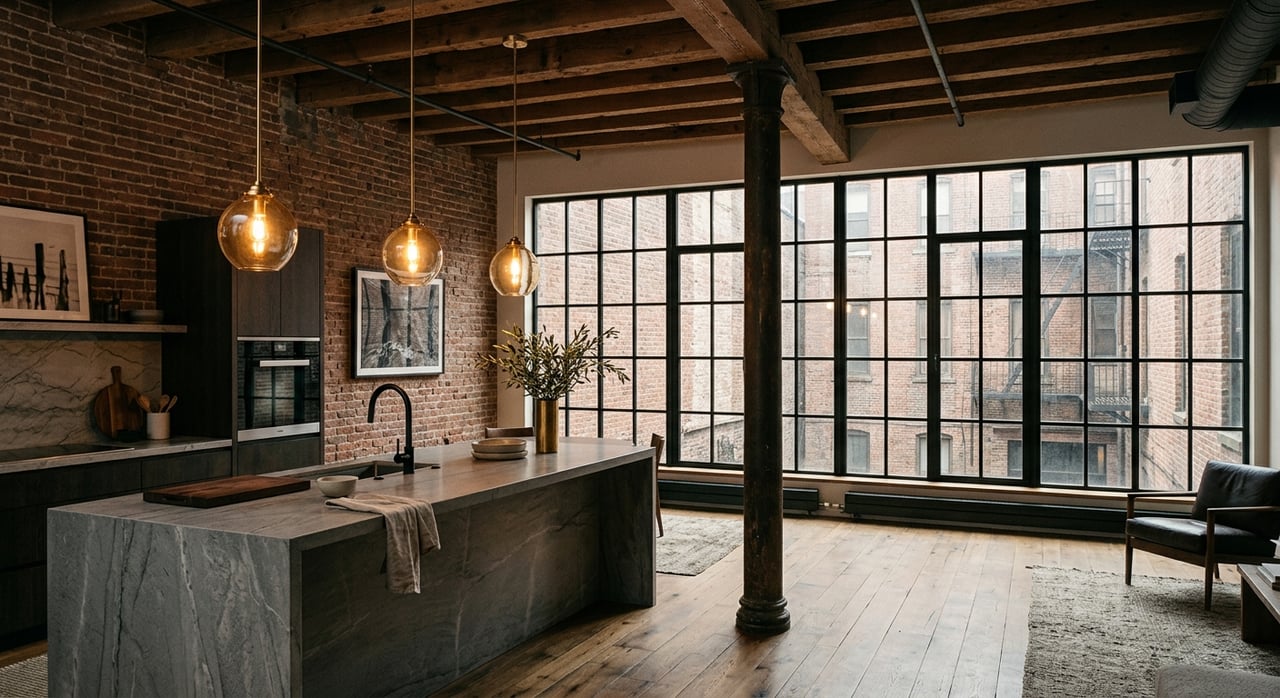
Tribeca Loft vs Condo: Which Option Fits Today’s Buyer?
June 25, 2026
June 25, 2026
Choosing between a Tribeca loft and a new condo can feel simple at first, until you realize the label on the listing only tells part of the story. If you are buying in one of Manhattan’s most expensive and architecturally distinct neighborhoods, the real question is how the building’s layout, rules, condition, and ownership structure fit your day-to-day life. This guide will help you compare Tribeca lofts and new condos in a practical way so you can move forward with more clarity and less guesswork. Let’s dive in.
Tribeca is not a cookie-cutter housing market. The neighborhood includes four historic districts: Tribeca East, North, South, and West, according to the New York City Landmarks Preservation Commission. That historic framework shapes what buyers see on the market and can also affect what owners can change later.
Many of Tribeca’s classic loft buildings began as commercial or industrial properties rather than residential ones. The Tribeca South Historic District report notes that much of the area developed through concentrated mid-19th-century commercial redevelopment, with many store-and-loft buildings built between 1851 and the early 1860s. That history helps explain why so many loft homes here offer scale, character, and unusual layouts that feel very different from modern condo living.
A historic loft conversion often starts with an older warehouse or store-and-loft shell. In practice, that can mean open interiors, higher volume, and less standardized room shapes. You may find a home that feels dramatic and flexible, but you will also want to confirm that the layout truly works for your bedroom count, storage needs, and home office setup.
That is part of the appeal. Many buyers are drawn to lofts for architectural identity, original proportions, and a more bespoke living experience. In Tribeca, that appeal can be especially strong because the neighborhood’s building stock reflects a real commercial past rather than a new development trying to imitate one.
New condos tend to offer a more standardized buying experience. You can often compare finishes, amenities, and floor plans more easily because the sponsor’s offering plan is supposed to spell out what is being delivered. That makes it easier to evaluate the home on paper before you focus on the finer details.
In many cases, new condos compete on convenience and shared services. In Tribeca, 56 Leonard is a clear example of the newer condo end of the market, with amenities described by Hines including a 75-foot lap pool, yoga studio, library lounge, indoor and outdoor theater, conference center, landscaped sundeck, hot tub, fitness center, and window walls up to 14 feet in some residences. For buyers with demanding schedules, that kind of turnkey setup can be a major draw.
A useful way to frame the decision is this: lofts often lead with character, while new condos often lead with convenience. That is not a hard rule, because some new buildings borrow loft-style design and some older conversions have been thoroughly modernized. Still, it is a good starting point when you are trying to narrow your priorities.
If you care most about scale, originality, and a home that feels one of a kind, a loft may be the better fit. If you want newer systems, a more predictable finish package, and amenity-driven living, a new condo may make more sense. The right answer depends less on the marketing language and more on how you actually live.
One of the biggest mistakes buyers make is assuming that “loft” tells them how the building operates. It does not. In New York, a condominium means you own your individual unit plus an undivided interest in the common elements, while a cooperative means you buy shares in a corporation and receive a proprietary lease for a specific apartment.
That difference affects monthly charges, financing, governance, and how much control the board has over unit use. The New York Attorney General’s guidance makes clear that co-ops and condos operate under different rule structures, and those rules can shape your ownership experience just as much as the apartment itself. In other words, you are not just buying a home. You are also buying into a legal and operational framework.
Condominiums usually feel more flexible at the ownership level. The Attorney General notes that condo boards must follow the building’s internal rules and exercise prudent business judgment. The same guidance also notes that condo sublet provisions generally have no restrictions, though governing documents still control details.
For buyers who want more optionality, that can matter a lot. If your job may require relocation, if you split time between cities, or if you simply want fewer barriers around future use, a condo structure may be more appealing. This is one reason many time-conscious and lifestyle-driven buyers lean toward condos when they want a smoother ownership experience.
If a loft is located in a co-op, expect a more layered rule environment. According to the Attorney General, co-op shareholders are governed by the board of directors, bylaws, proprietary lease, and house rules, including sublet provisions. That means buyers need to understand not just the apartment, but also the building’s culture of approval and oversight.
This does not make a co-op loft a poor choice. It simply means due diligence becomes even more important. If you are considering a loft because it looks flexible on the floor plan, make sure the ownership structure supports the flexibility you actually want.
In Tribeca, landmark status is not a side note. The Landmarks Preservation Commission says owners of landmark buildings and buildings in historic districts must get permits for most alterations, and the agency regulates changes to ensure they fit the character of the building and district. That can affect exterior windows, façades, rooftop additions, terraces, and other visible work.
For buyers, this matters most when you are planning renovations or hoping to customize the property later. A landmarked loft may offer incredible authenticity, but changes can involve more process. If your vision includes exterior-facing updates or visible alterations, make sure you understand that review environment before you commit.
Whether you are buying a historic loft conversion or a new condo, documents matter. The New York Attorney General advises buyers of existing conversions to review the offering plan carefully, since the sponsor must disclose engineer-visible or known defects. The same guidance notes that board minutes and financial reports can reveal pending building issues.
For new condos, the Attorney General also warns buyers not to rely on brochures, renderings, or verbal promises for anything that is not actually in the offering plan. That is a critical point in a market where marketing can be polished and persuasive. If a finish, amenity, or service matters to you, it should be confirmed in the governing documents.
If you are looking at a newer building or a recent conversion, ask whether the sponsor still controls the board. The Attorney General explains that sponsors usually control the board early on and typically give up control after they sell more than half of the relevant interests or after five years from the first closing, whichever comes first.
This can affect how stable or predictable governance feels during your early years of ownership. Some buyers are comfortable entering during that phase, while others prefer a fully owner-controlled building. Either way, it is better to know upfront than be surprised later.
Tribeca remains a very high-price market, so details matter. Redfin reports a median sale price of $3.9 million in the three months ending May 2026, a median sale price per square foot of $2.27K, and 77 median days on market. Realtor.com’s April 2026 summary shows a median listing price of $4.5 million, 177 homes for sale, and 68 median days on market.
At these price points, small differences in usability and building profile can have outsized impact. A practical resale lens includes daylight, usable room count, storage, private outdoor space, building maintenance, amenity usefulness, and rule flexibility. Buyers shopping in Tribeca often look past marketing categories and focus on how well a home works in real life.
A loft may suit you best if you want originality, openness, and a home that feels tailored rather than standardized. It can be a strong fit if you value architectural history and are comfortable doing deeper due diligence on layout, building condition, and renovation limitations. In the right building, a loft can offer scale and authenticity that are hard to replicate.
A new condo may suit you best if you want a turnkey purchase, newer systems, clearer amenity packages, and a more legible ownership experience. It can be especially appealing if convenience, building services, and flexibility matter more than historic character. For many busy buyers, that tradeoff feels worth it.
When you tour Tribeca properties, try comparing them through the same set of questions instead of relying on the loft-versus-condo label alone:
That framework helps you compare homes with more precision. In a neighborhood like Tribeca, the smartest buyers usually focus on fit, risk, and long-term usability before they fall in love with the sales pitch.
If you are weighing character against convenience, the best move is not to choose a side too quickly. It is to match the building’s layout, rules, and financial profile to your actual lifestyle, then negotiate from a position of clarity. If you want a strategic, detail-driven read on Tribeca lofts, condos, co-ops, and the tradeoffs that matter most, schedule a private consultation with Fainna Kagan.
Stay up to date on the latest real estate trends.


Known for her commitment and responsiveness to her clients, Fainna Kagan has repeatedly set records on the highest selling priced properties. Connect with her today!