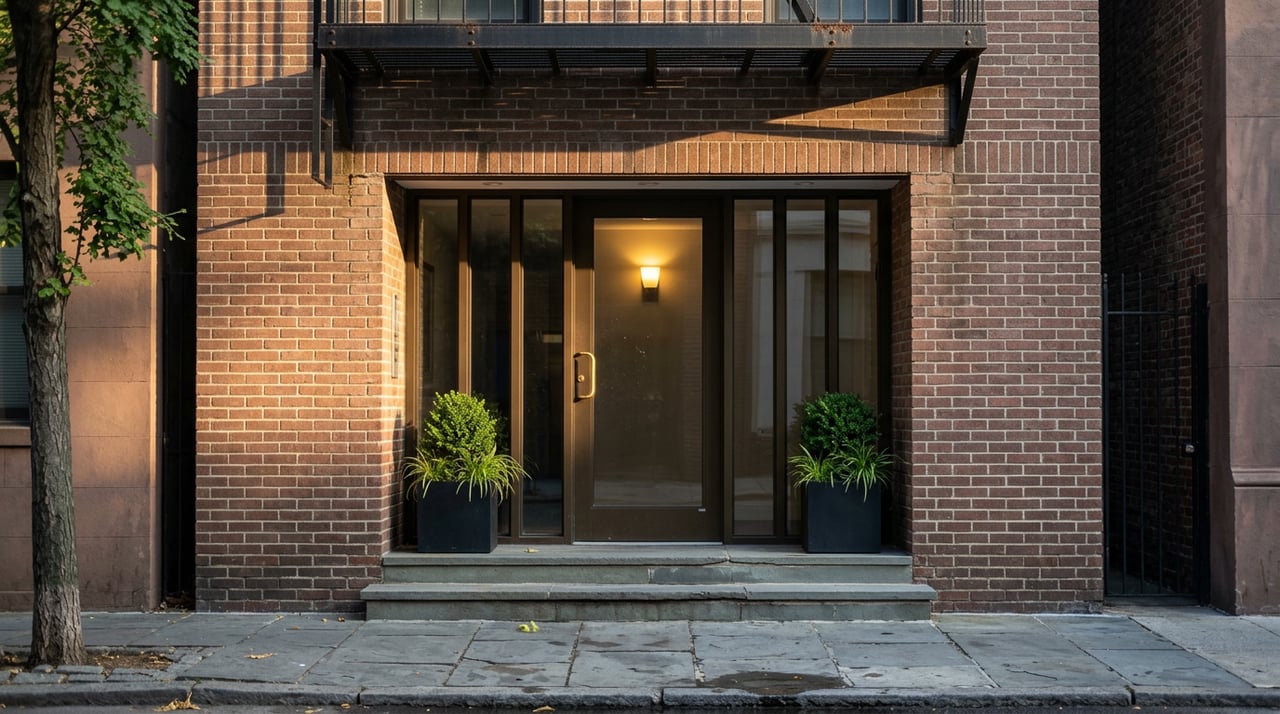
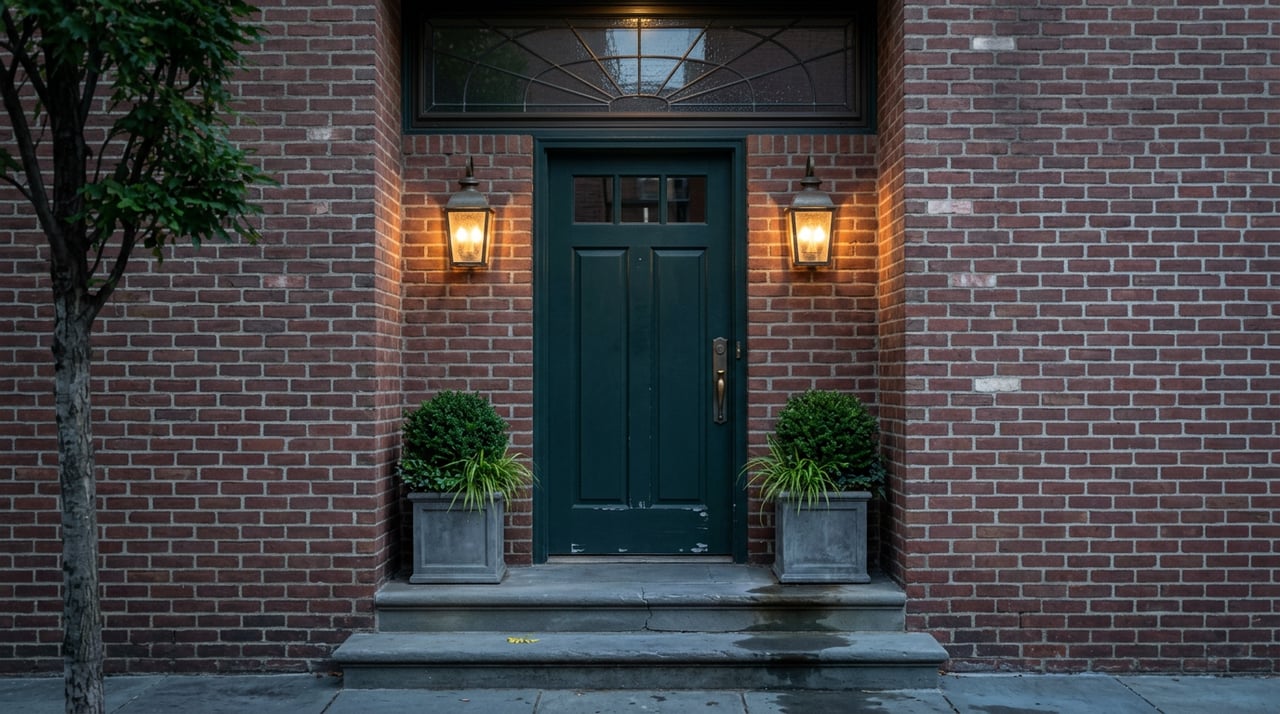
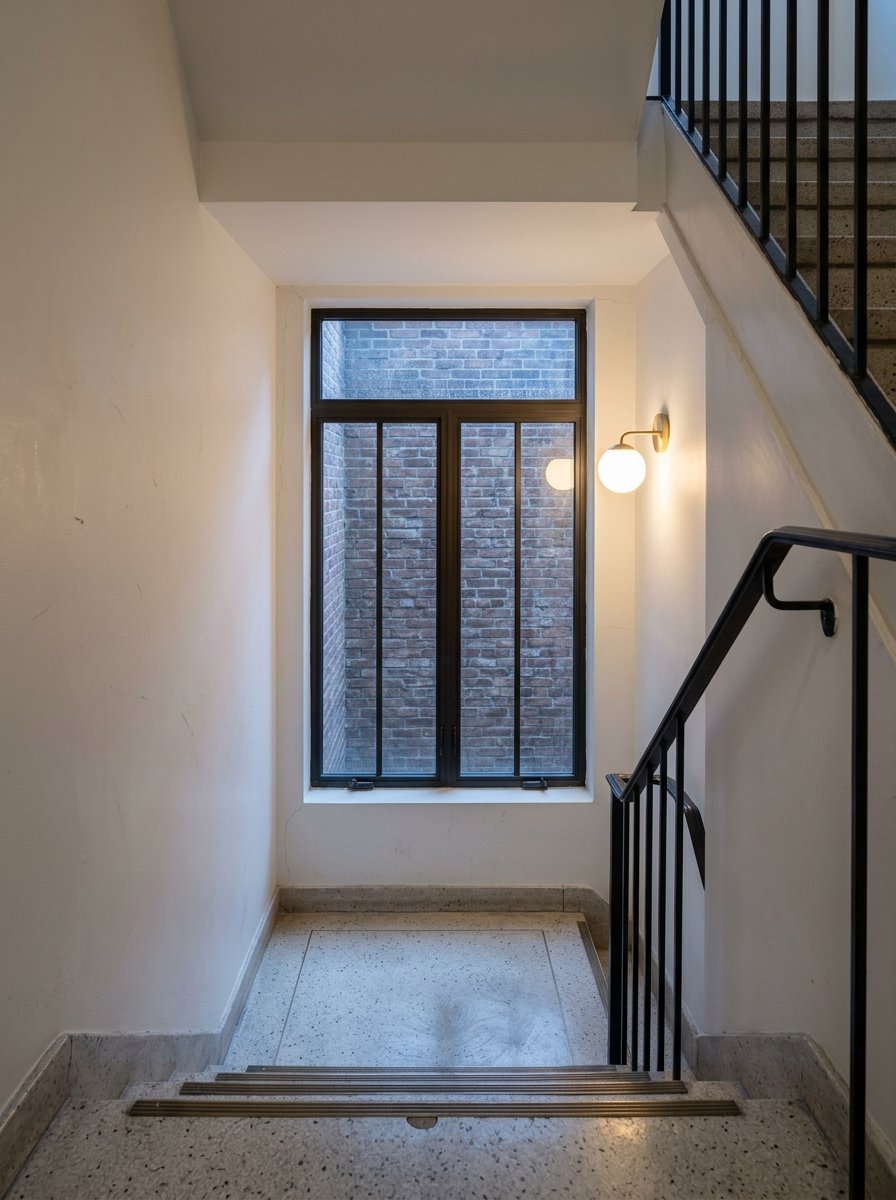
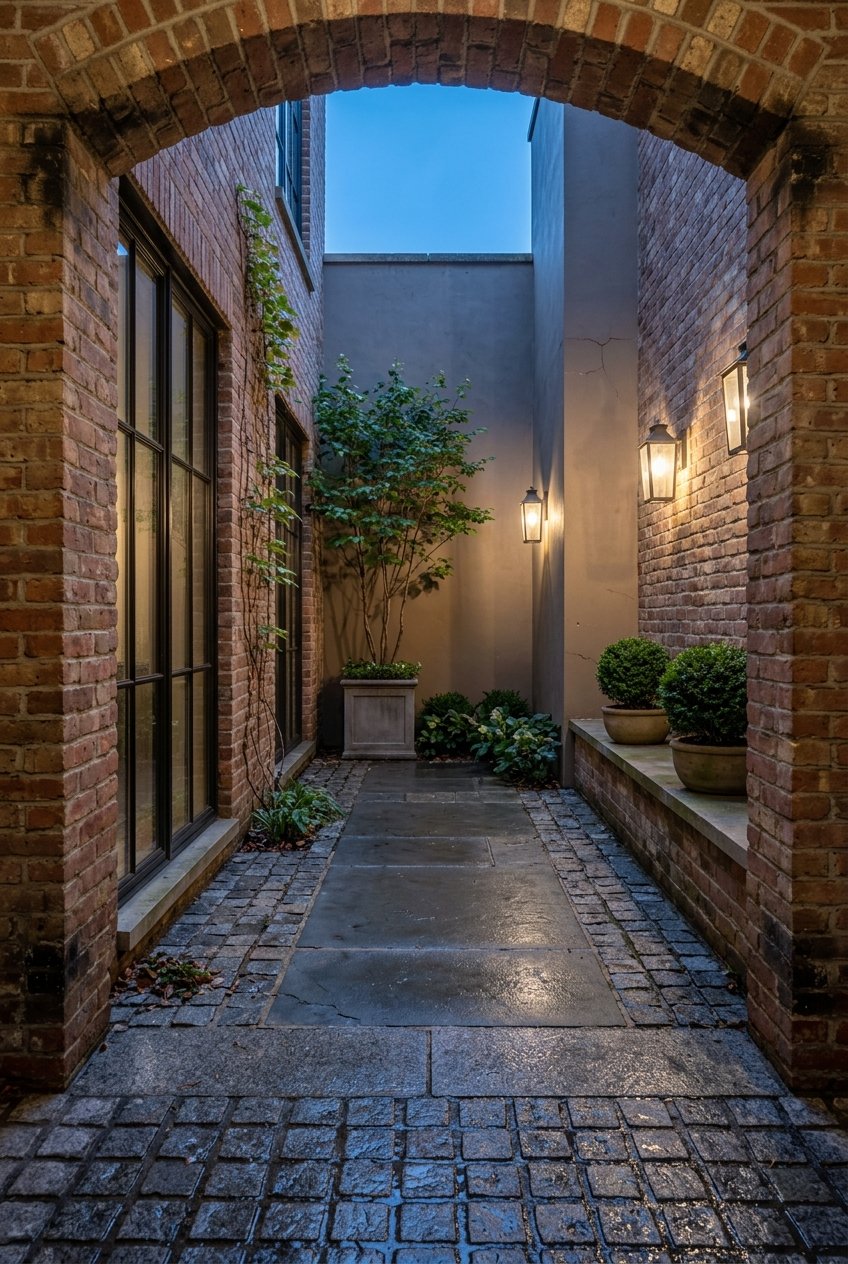
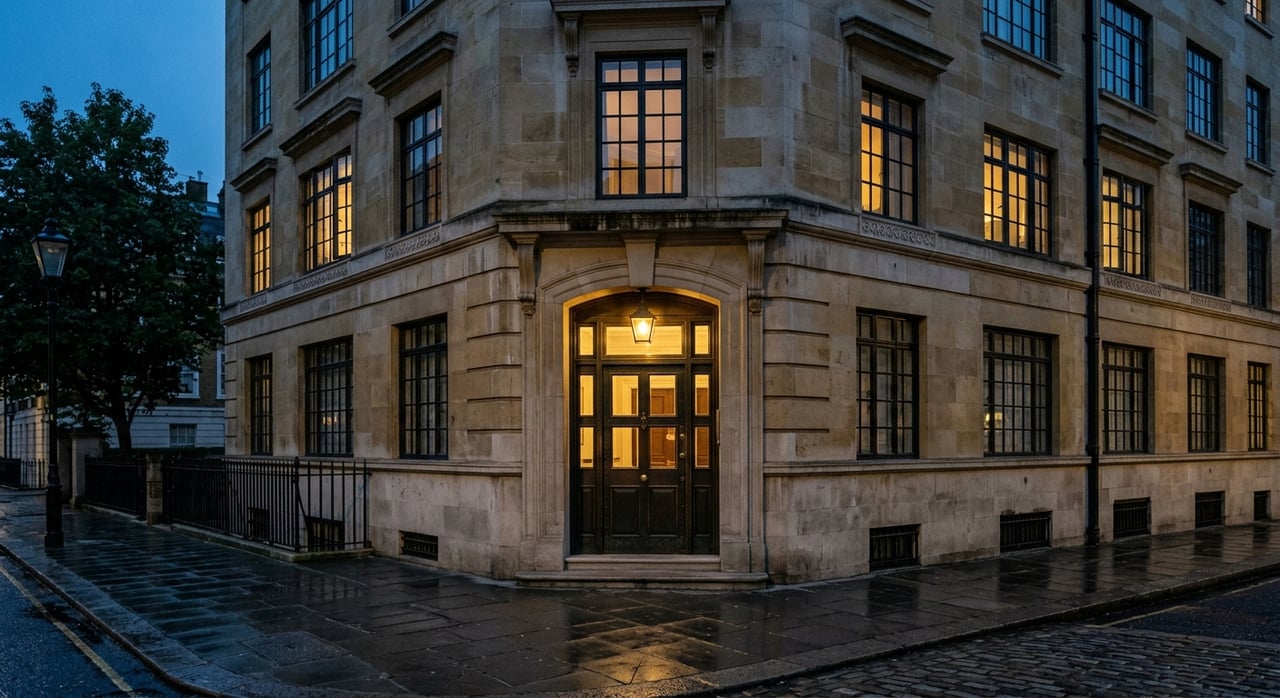
Those tall arched windows and soaring ceilings are hard to resist. If you are drawn to Tribeca’s cast-iron lofts, you are not alone. The character is real, and so are the details you need to understand before you buy. In this guide, you will learn what makes these buildings special, how landmark rules shape renovations, what to evaluate during showings, and how to plan updates without surprises. Let’s dive in.
What defines Tribeca’s cast-iron lofts
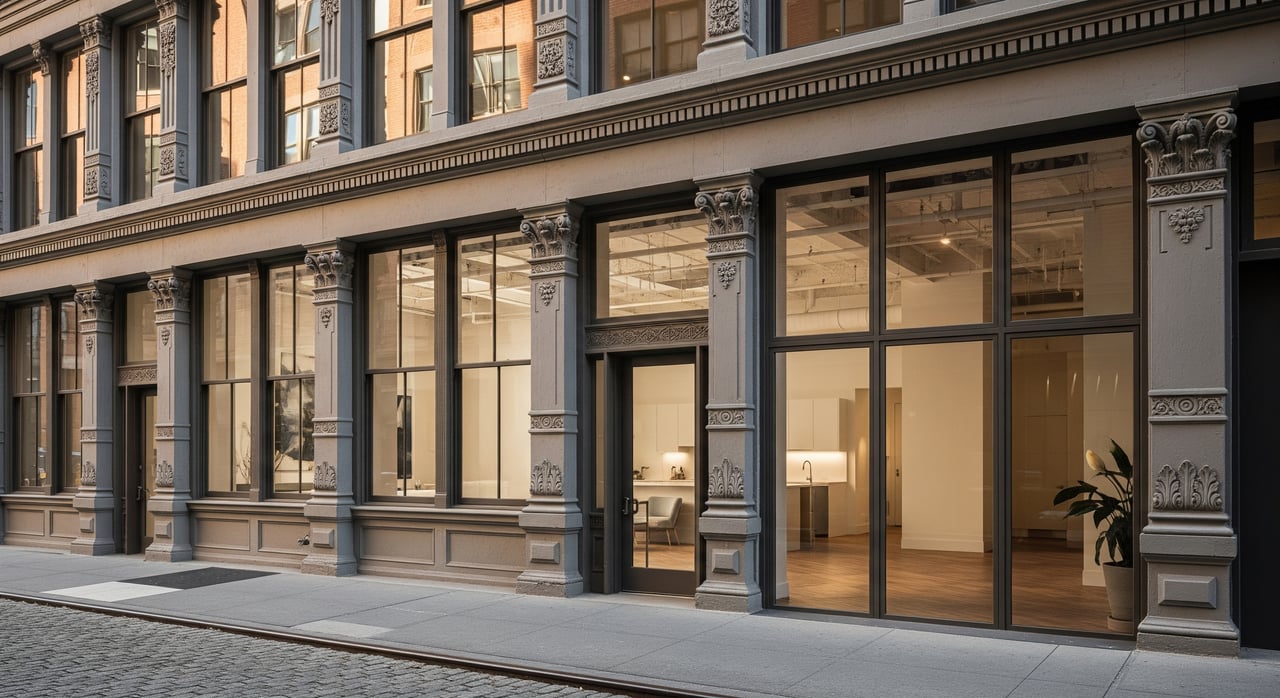
Tribeca holds one of Manhattan’s largest collections of mid‑19th to early‑20th‑century cast‑iron commercial buildings. Most started life as warehouses or manufacturing spaces and later became residential lofts. Cast iron allowed builders to create richly detailed facades at lower cost, with large openings and modular storefronts.
You will see vertical cast‑iron columns or pilasters framing wide window bays, heavy cornices, and decorative moldings. At street level, many buildings have historic storefronts or raised loading bays that hint at the original use.
Inside, expect open, deep floor plates and exposed structure. High ceilings are a hallmark, commonly 12 to 14 feet on primary floors and sometimes 10 to 16 or more depending on the level. Exposed cast‑iron columns, timber joists, steel beams, and original wide‑plank flooring add texture and scale. Freight elevators and large stair cores are common, even if some have been repurposed or decommissioned.
Landmark rules in Tribeca, in plain English
Large sections of Tribeca fall inside New York City Landmarks Preservation Commission historic districts. That usually means any exterior change visible from the street needs LPC review. The focus is on preserving character‑defining features such as cast‑iron elements, cornices, storefronts, and window configurations.
Here is the practical impact for buyers and owners:
- Windows: Repair or replacement of visible windows generally requires LPC review. The commission favors repair. If replacements are allowed, profiles, sightlines, and glazing patterns usually must match the historic appearance.
- Storefronts and entrances: Changes to historic storefronts face close scrutiny. Restoring original profiles is often encouraged.
- Rooftop work: Mechanical equipment and bulkheads that are visible from public ways may need to be set back or screened and will require LPC approvals.
- Interiors: Most interiors are not regulated, unless specifically designated. Your architect will still coordinate with the Department of Buildings for code and permits.
Approvals take time and documentation. Expect measured drawings, shop drawings, and samples for visible work. Depending on scope, review can take weeks to several months. Preservation typically adds cost because you are working with specialty contractors and custom materials. For taller facades, the city’s Façade Inspection and Safety Program requires periodic inspections, which can trigger repairs.
Light, orientation, and scale
Those big windows are a major draw, but brightness varies by unit. Three factors drive natural light in these buildings:
- Window size and number: Larger, vertically proportioned windows can deliver great daylight, especially with multiple exposures.
- Floor‑plate depth: Deeper plates limit light penetration. Units that span front to rear or that border a light well can feel brighter.
- Neighboring context: Adjacent building heights and setbacks affect light levels. Party walls or narrow streets can reduce daylight.
Practical tips:
- Visit the loft at more than one time of day and on an overcast day. Look for how far daylight reaches into the interior.
- Ask which windows are original and subject to LPC expectations. Replacement decisions will be shaped by visibility from the street.
Columns, structure, and layout flexibility
Cast‑iron columns give lofts their rhythm and presence. They also create real constraints when you plan layouts. Column bays often span roughly 10 to 16 feet, varying by building. That grid influences kitchen placement, bathroom stacks, and how you furnish large spaces.
Removing columns or creating big openings can be complex and costly. It requires a structural engineer and Department of Buildings permits, and preservation rules may limit what is possible. Before you fall in love with a plan, ask for existing structural reports and prior engineering drawings.
Freight elevators and service cores
Freight elevators were standard in these buildings. Some still run, others have been modernized, and some are decommissioned. A working freight elevator can make move‑ins and renovations far easier, but it also comes with maintenance obligations.
Questions to ask:
- What is the elevator’s capacity, inspection status, and modernization history?
- Where is the shaft in relation to the unit? Shaft location can help or hinder future upgrades and mechanical riser runs.
Legal status and ownership basics
Many Tribeca lofts were converted from commercial use. You want to verify legal residential status before you sign.
- Certificate of Occupancy: Confirm that the unit has a residential CO. Without it, financing, insurance, and resale can be affected.
- Loft Law: New York’s Loft Law may protect certain residential occupants in former commercial buildings that meet strict criteria. Applicability requires professional review.
- Ownership type: You may be buying a condo, co‑op, PUD, or a tenant‑in‑common interest. Building documents and board rules can shape renovations, contractor access, and use of historic spaces.
Systems and modernization to evaluate
Older buildings can deliver breathtaking volume but lag in infrastructure. Plan to review:
- Electrical: Legacy service may not support modern loads. Upgrading to higher amperage service might be necessary for contemporary kitchens or HVAC.
- Plumbing: Old cast‑iron soil stacks and galvanized piping often require repair or replacement. Riser locations can limit where you place bathrooms and kitchens.
- Life safety: Conversions typically must meet current code for egress and fire suppression. Confirm presence and age of sprinklers and alarms.
- Roof and mechanical rights: Rooftop condensers, exhausts, or bulkheads need permits and may trigger LPC review if visible. Structural capacity also matters.
Renovation realities, from windows to HVAC
Windows and facades
Historic single‑pane windows look beautiful but are not energy stars. The preservation path usually starts with repair. That can include re‑glazing, frame consolidation, hardware reinforcement, and weatherstripping to improve performance while keeping the look. If replacements are approved, they typically must match historic profiles and sightlines. Interior storm panels can be a faster, lower‑impact step that is often reversible.
Soundproofing and acoustics
Older lofts can transmit noise through thin floor assemblies and shared walls. If you are sensitive to sound, consider:
- Floating floors with resilient underlayment to cut impact noise.
- Decoupled ceilings on resilient channels to limit transfer from above.
- Mineral wool in cavities and additional gypsum layers on party walls to add mass.
- Sealing penetrations and isolating mechanical equipment to reduce structure‑borne vibration.
For major work, an acoustical consultant can estimate achievable STC and IIC improvements and design targeted solutions.
Mechanical systems and HVAC
Limited ceiling cavities and exposed beams complicate ductwork. Historic fabric and roof visibility constraints add to the challenge. Viable strategies include:
- Ductless mini‑split heat pumps for efficient zoned comfort with minimal ducting.
- Variable refrigerant flow systems that support multiple zones with smaller distribution.
- High‑velocity small‑duct systems that thread through tight spaces, with attention to noise control.
- Hydronic radiant floors or walls for quiet heat, noting the floor build‑up and detailing implications.
- Dedicated ventilation with HRVs or ERVs for fresh air and indoor air quality.
Any rooftop equipment needs structural review and permits. Visible installations may require LPC approval.
Hazardous materials and moisture
Expect possible lead paint and asbestos in older coatings, insulation, and mastics. Testing and any abatement must be done by licensed contractors under city and state rules. Also plan for careful moisture management. Increased interior temperatures and insulation can change condensation patterns at historic windows and masonry, so your architect should detail vapor control and insulation thoughtfully.
Timelines and budgets at a glance
Preservation adds steps, which add time. Here is the short version:
- LPC approvals are a separate track from Department of Buildings permits. Build in time for drawings, samples, and possible hearings.
- Specialty restoration trades and custom window or metal work increase cost compared to non‑landmarked projects.
- Major system upgrades such as elevator modernization or full HVAC replacement can stretch over many months. Multi‑year phasing is not uncommon for building‑wide work.
- Budget for design and consultant fees, testing and inspections, restoration specialists, and permit costs.
Buyer checklist for Tribeca cast‑iron lofts
Use this list to organize due diligence during showings and attorney review:
- Legal and building status
- Is the property inside an LPC historic district? Any interior landmarking?
- Does the unit have a valid residential certificate of occupancy?
- What is the ownership type and do building rules affect renovations?
- Condition and systems
- Elevator condition, capacity, and recent inspections or modernization.
- Recent facade reports, including FISP filings and scheduled work.
- Status of electrical service and plumbing upgrades. Where are risers?
- Recent inspections for roof, structure, and moisture intrusion.
- Windows and facade
- Are windows original, restored, or replaced? Any supporting shop drawings?
- Prior LPC approvals within the past 5 to 10 years. Any open LPC or DOB violations?
- Renovation feasibility
- Availability of as‑built drawings, structural plans, and preservation documentation.
- Whether planned changes trigger LPC review, DOB permits, structural reinforcement, or egress modifications.
- Noise and privacy
- Floor and ceiling construction type and any soundproofing that has been completed.
- Known noise issues and whether mechanicals are vibration isolated.
- Professionals and costs
- Names of restoration contractors and consultants who have worked on the building.
- Summaries or invoices for major past work to benchmark real costs.
- Insurance and risk
- Insurance availability and cost for historic or loft properties.
Navigate Tribeca lofts with confidence
Buying a cast‑iron loft is equal parts architecture and process. You are weighing light, structure, and systems against preservation rules and long‑term plans. That is where an experienced advocate helps. With an attorney’s training applied to negotiation and risk management, a vetted vendor network, and a high‑touch approach, you can move from interest to keys with clarity and control.
If you are considering a Tribeca loft, reach out to schedule a private consultation with Fainna Kagan. You will get a curated plan for tours, due diligence, and renovation feasibility that respects both the building’s history and your timeline.
FAQs
What makes a Tribeca cast‑iron loft different from a new condo?
- Historic cast‑iron lofts offer tall ceilings, large windows, and exposed structure, often with landmark oversight on visible exteriors. Newer condos tend to have modern systems, standardized floor plans, and fewer preservation constraints.
How do NYC landmark rules affect window replacement in Tribeca?
- Visible windows usually need LPC review. The commission favors repair, and any approved replacements typically must match historic profiles, sightlines, and glazing patterns to maintain the building’s character.
What should you check about a building’s freight elevator before buying a loft?
- Confirm capacity, code compliance, inspection records, and modernization history. Ask where the shaft sits relative to your unit because that can affect move‑ins and future renovation logistics.
Do you need a residential certificate of occupancy to finance a Tribeca loft?
- You should verify that the unit has a legal residential CO. Without one, financing, insurance, and resale can be impacted. Your attorney can confirm status during due diligence.
How can you reduce noise in an older loft without harming historic features?
- Use reversible and targeted methods such as floating floors with resilient underlayment, decoupled ceilings, mineral wool in cavities, and careful sealing of penetrations. An acoustical consultant can tailor a plan to the building.
Which HVAC options work best in a cast‑iron loft with limited ceiling space?
- Ductless mini‑splits, VRF systems, and high‑velocity small‑duct setups are common solutions. Rooftop equipment typically requires permits and may need LPC approval if visible.