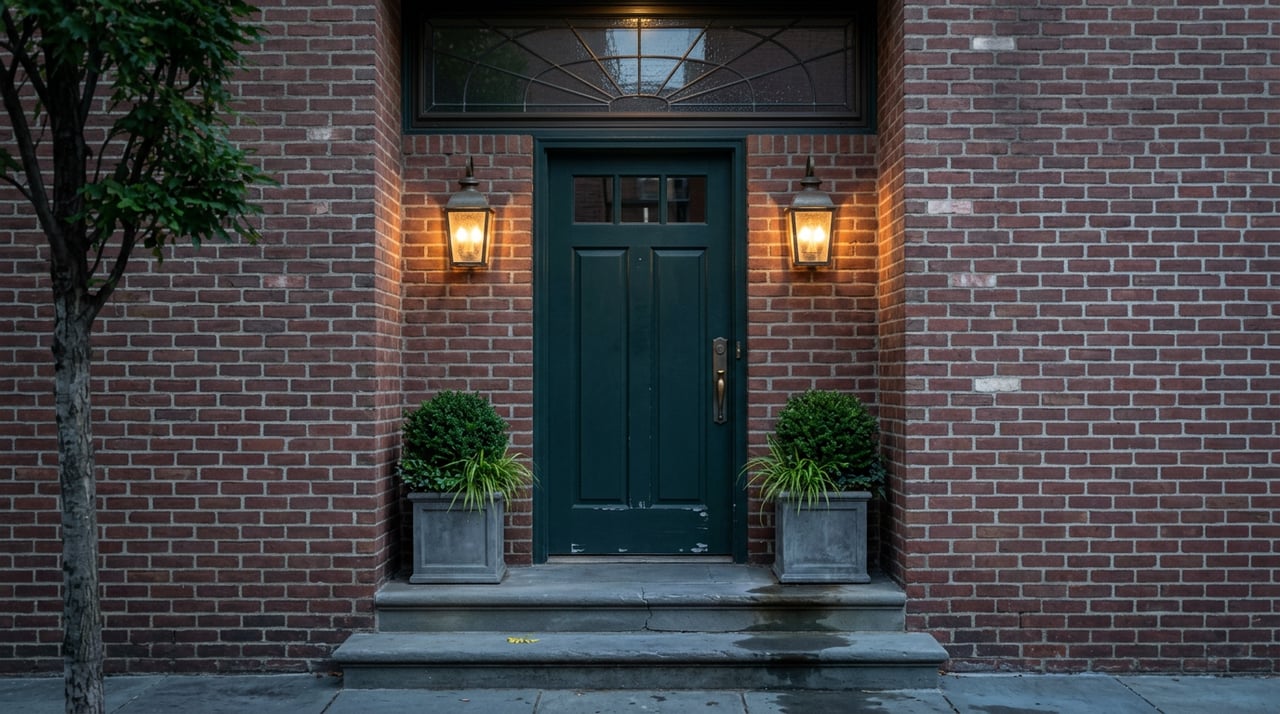
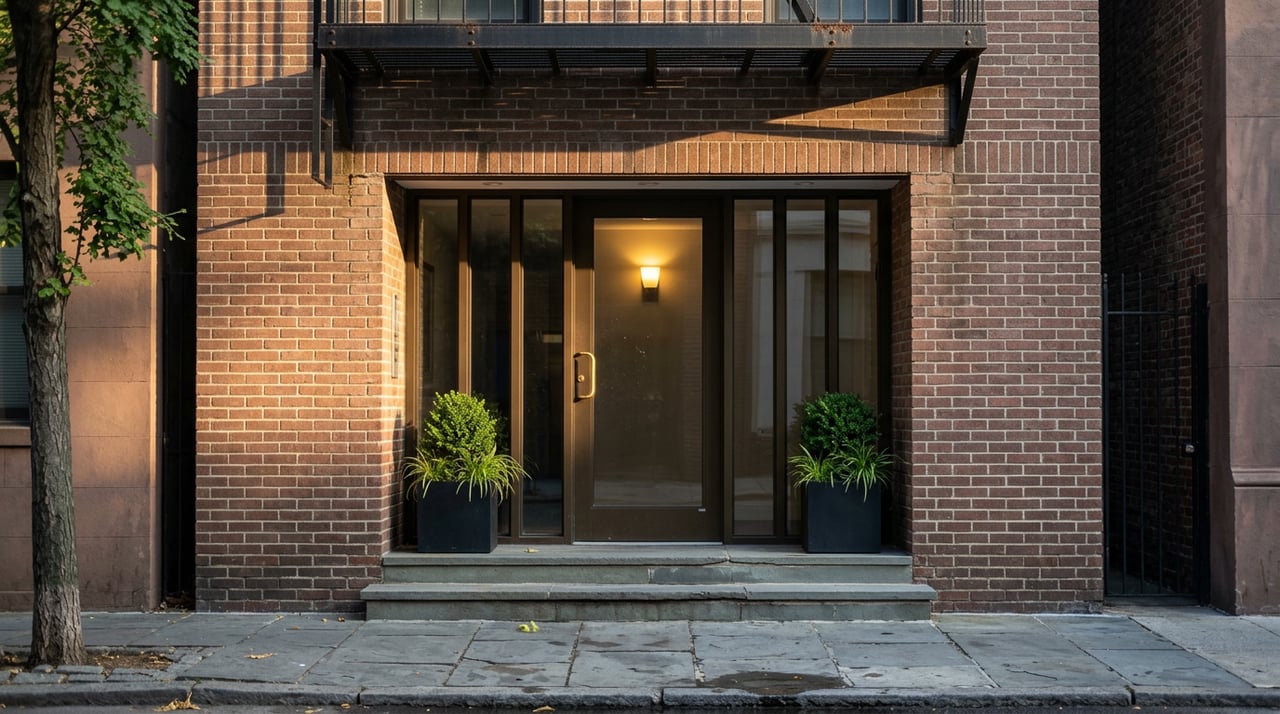
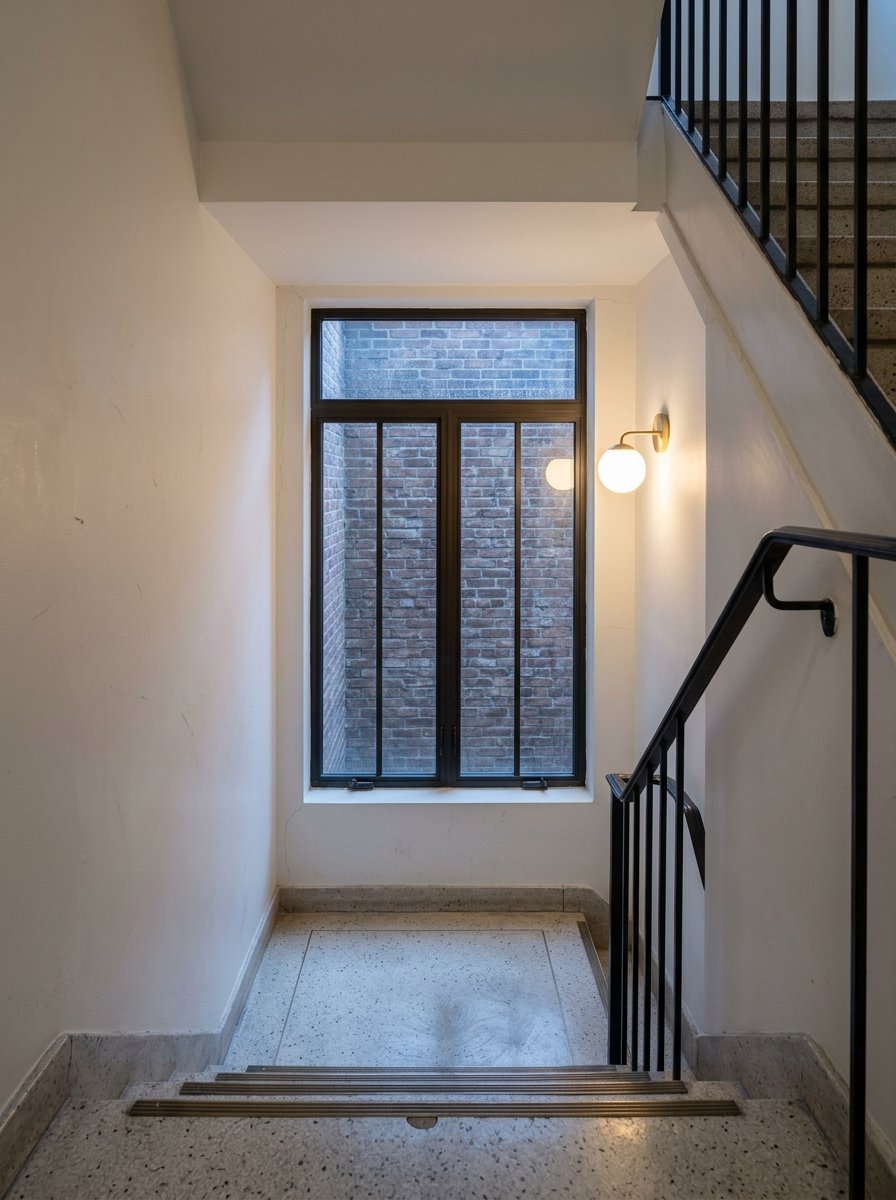
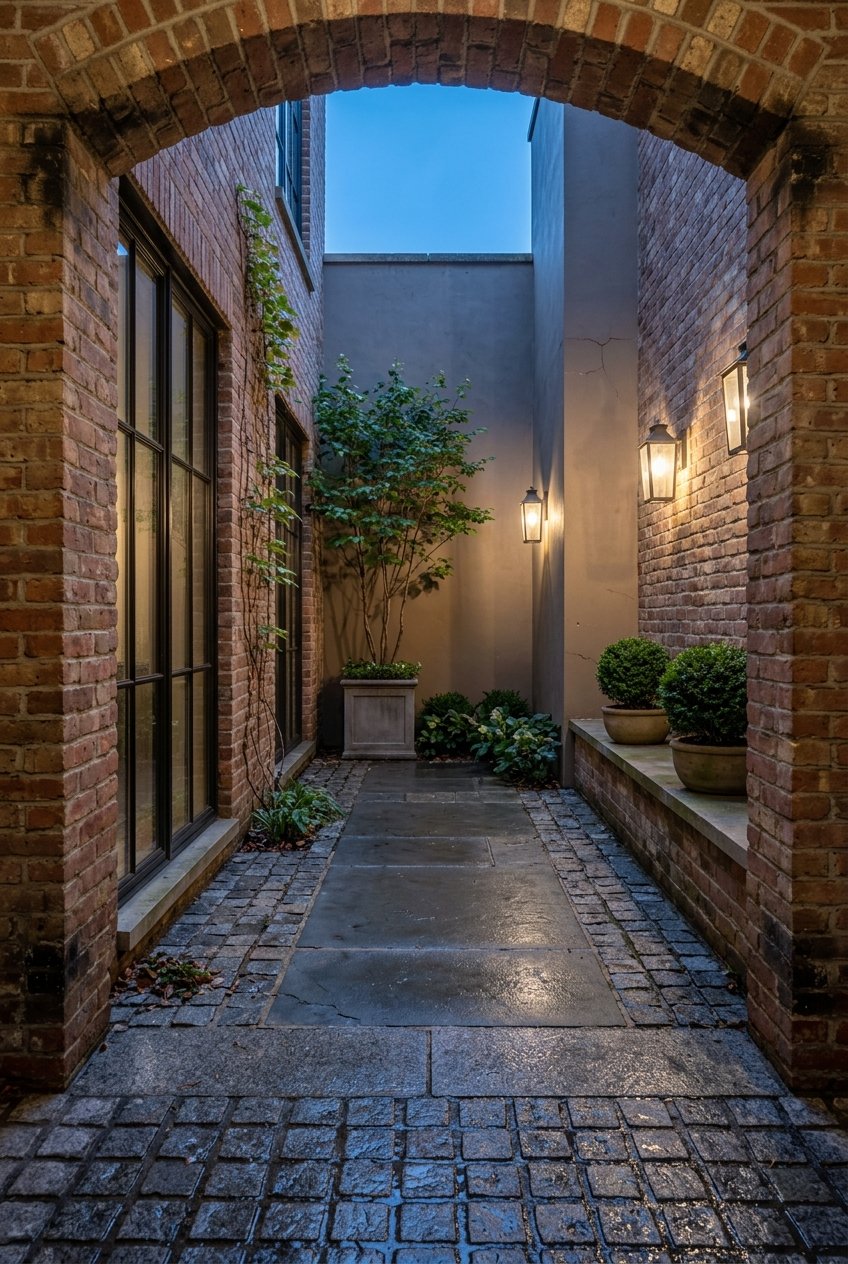
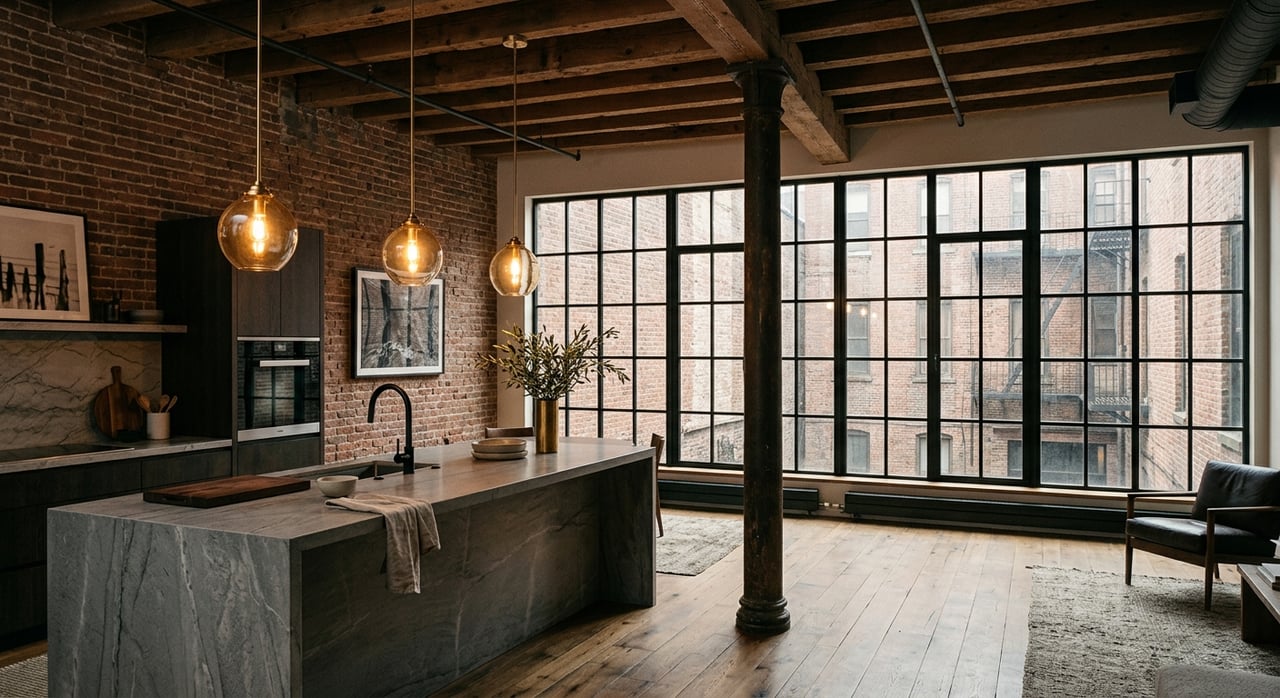
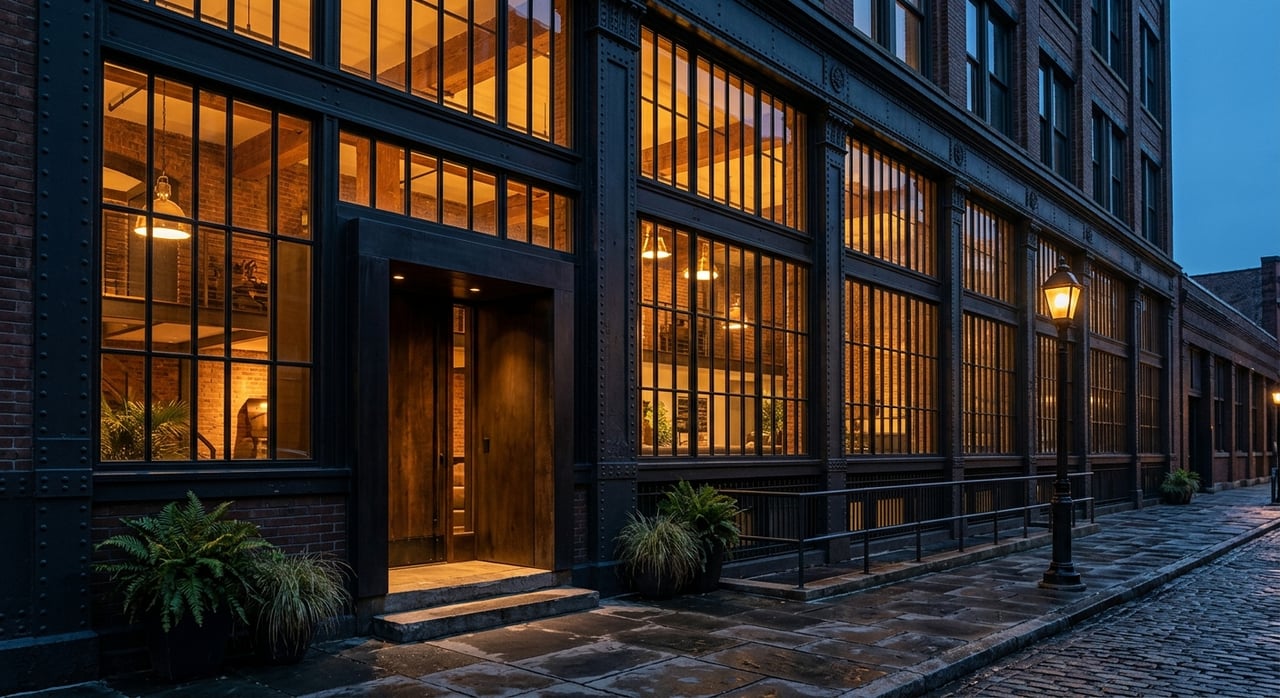
If you picture 14-foot ceilings, cast-iron columns, and a wall of industrial windows pouring in daylight, you are already imagining Tribeca loft living. Maybe you are drawn to the drama and flexibility, but you also want clarity on the rules, building types, and day-to-day realities. In this guide, you will learn how to identify a true Tribeca loft, what regulations shape renovations, and the key trade-offs to consider before you buy. Let’s dive in.
What makes a true Tribeca loft
Signature architectural details
Authentic Tribeca lofts began life as warehouses or manufacturing buildings. You will typically see:
- Soaring ceilings, often 12–18 feet or more in main living areas.
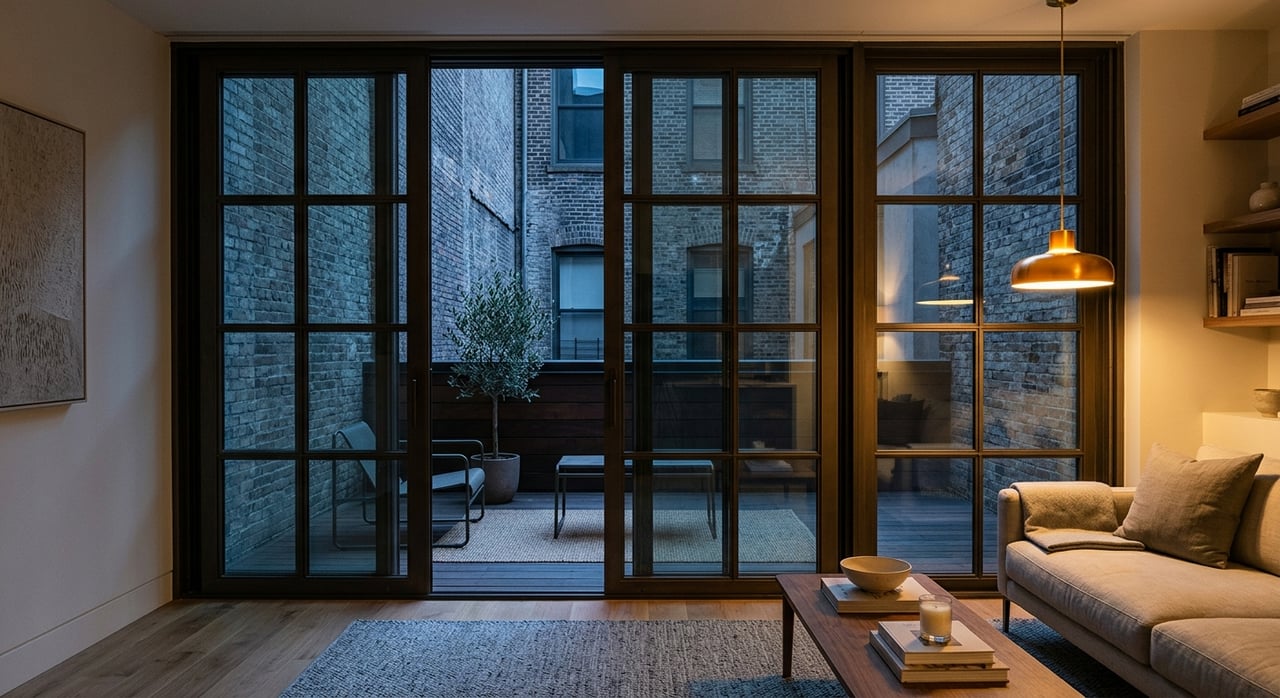
- Large industrial windows with deep sills and masonry surrounds that bring broad daylight.
- Exposed brick, heavy timber beams, cast-iron or steel columns, and original hardware.
- Open spans with wide column bays that enable flexible layouts.
- Freight features such as large service doors or freight elevators distinct from passenger elevators.
- Minimal original partitions, with bedrooms often created later using walls or mezzanines.
True conversions vs. loft-style
A true loft is a residence created from a preexisting commercial or industrial building. Many newer condos are designed to look like lofts with high ceilings and open plans, yet they are new construction that already meets residential code. Both can be great options, but the ownership, systems, and approvals often differ.
Why the C of O matters
The building’s certificate of occupancy confirms how the city legally recognizes the space. In legacy lofts, some units were occupied residentially long before full conversions. That history can affect financing, insurance, and resale. You or your attorney should verify the status through the NYC Department of Buildings and request relevant filings from the seller or board.
Tribeca history and rules
From industry to residences
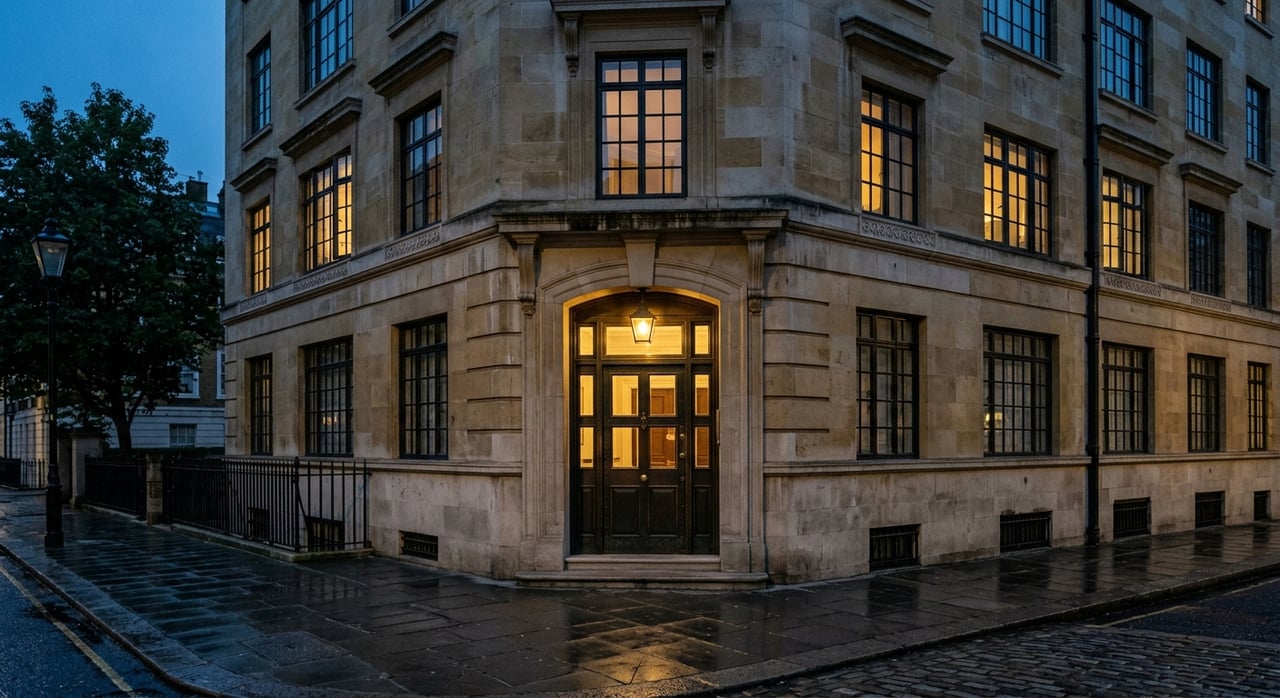
Tribeca began as a district of warehouses and light manufacturing. Artists and craftspeople later adapted these large, affordable spaces for living and working. Over time, many buildings were converted and some were designated within historic districts. Cast-iron facades, timber framing, and broad window bays all contribute to the loft character you see today.
Historic district oversight
Much of Tribeca falls within municipal historic districts. Exterior changes, including window replacements or facade work, often require review by the NYC Landmarks Preservation Commission. You can confirm whether a building sits inside a district using the Commission’s official maps and designations. This oversight supports the neighborhood’s character but can influence renovation timelines and approved materials.
Loft legalization and tenant protections
New York created processes to govern residential use in former commercial buildings and to protect tenants during legalization. If you are considering an older conversion, review the building’s status and any relevant filings. The NYC Loft Board is the central resource for information on loft legalization and related tenant protections.
Everyday benefits and trade-offs
Lifestyle appeal
- Dramatic volume, daylight, and open sightlines create a striking backdrop for daily life.
- Flexible layouts work well for large-scale entertaining, art display, and creative workspaces.
- Tribeca’s restaurants, galleries, cobblestone streets, and waterfront parks help define the lifestyle.
Common challenges and practical fixes
- Sound and acoustics: Open plans and hard surfaces can carry noise. Mitigate with large rugs, soft furnishings, acoustic panels, resilient flooring underlayments, or a professional acoustic retrofit.
- Heating, cooling, and windows: Original masonry and metal windows may be drafty. Many legacy buildings use steam or radiator heat. Upgrades like split systems or central air are possible, but check approvals, especially in landmarked buildings.
- Storage and organization: True lofts often lack built-in closets. Owners add custom built-ins, mezzanines, or off-site storage.
- Privacy and layout: Open plans reduce separation. Glazed partitions, well-placed millwork, and thoughtful room dividers can create quiet bedrooms and offices.
- Building services: Some conversions lack full-service amenities found in newer condos. Weigh what you need day to day versus what you can outsource nearby.
- Maintenance and capital costs: Older roofs, facades, elevators, boilers, and sprinklers require attention. Review building financials and recent capital projects.
- Financing and insurance: Lenders may be more selective if a building’s residential status is complex. Align early with your lender and attorney to keep timelines on track.
How to evaluate a loft
On the tour: what to look for
- Ceiling height in main living areas; note any mezzanines.
- Column spacing and how it affects furniture placement.
- Window type and condition, operability, and signs of drafts or water.
- Floor material and levelness, plus any creaks or slopes.
- Exposed systems like ductwork and electrical panels. Ask about upgrades.
Building and legal diligence
- Certificate of occupancy and any relevant Department of Buildings or Loft Board filings.
- Offering plan, bylaws, and house rules, including policies on alterations, pets, subletting, and guests.
- Historic designation status and its impact on exterior and window changes.
- Financial statements, minutes, capital reserves, and any assessments.
Comfort and safety checks
- Heating and cooling type, age, and whether systems are centralized or in-unit.
- Sound and vibration tests from neighbors, elevators, and street activity.
- Fire safety, including sprinklers, smoke and CO detectors, and egress routes.
- Elevator availability and freight elevator reliability for moves and deliveries.
Logistics that matter
- Storage options, from basement lockers to private storage rooms and bike rooms.
- Moving access, freight elevator size, and any booking requirements.
- Parking alternatives such as nearby garages and on-street rules.
Questions to ask before you buy
- Is the unit legally recognized as residential, and what proves it?
- What capital projects were completed in the past 10 years, and are any assessments pending?
- What are the rules for window replacements, HVAC installation, and interior alterations?
- Are there known sound transmission or vibration issues from neighboring uses or building systems?
- How are deliveries, trash removal, and freight elevator service managed day to day?
When to bring in specialists
- Architect or contractor: Assess feasibility for partitions, mezzanines, HVAC retrofits, and preservation-friendly window solutions.
- Structural engineer: Evaluate any plan that alters load-bearing elements or adds large openings.
- Real estate attorney: Review offering plans, building minutes, C of O documentation, and regulatory filings.
- Acoustic consultant: Design targeted sound mitigation for premium results.
We regularly coordinate these professionals so you get clear answers before you commit.
Is a Tribeca loft right for you?
If you love generous volume, daylight, and a flexible canvas, a Tribeca loft delivers. If you prefer quieter acoustics, turn-key storage, and full-service amenities, a newer loft-style condo may fit better. Authentic conversions can command a premium, yet they also appeal to a niche buyer who values character and accepts some trade-offs. Appraisals and comps can be tricky because of unconventional layouts or mezzanines, so plan for a data-driven valuation approach.
If you want a curated path through the best options, from authentic cast-iron conversions to modern loft-style condos, reach out. We can design a focused itinerary, align your due diligence with building realities, and negotiate from a position of clarity. Connect with Fainna Kagan to schedule a private consultation.
FAQs
What defines a true Tribeca loft?
- A former commercial or industrial space converted for residential use, with high ceilings, large industrial windows, exposed structure, and an open plan.
How does Landmarks oversight affect renovations in Tribeca?
Why is a certificate of occupancy important for loft buyers?
- It confirms the space’s legal residential status, which affects financing, insurance, and resale. Verify details with the NYC Department of Buildings.
Are lofts noisier than typical apartments?
- Open spaces and hard surfaces can increase sound transmission. Rugs, soft furnishings, acoustic panels, and professional retrofits can improve acoustics.
Can you add central air in a landmarked loft?
- Often yes, but method and placement may be limited by historic rules. Expect review for exterior impacts and coordinate early with an architect and Landmarks.
How do lenders view lofts without clear residential status?
- Some lenders are more selective if a building lacks a straightforward residential C of O. Engage your attorney and lender early to confirm eligibility and terms.