Your Upper West Side Living Guide: Day-to-Day Life
February 5, 2026
February 5, 2026
Thinking about calling the Upper West Side home? You are not alone. This classic Manhattan neighborhood blends culture, parks and day-to-day convenience in a way that is hard to beat. If you want tree-lined streets, major arts institutions and easy subway access, you will find a lot to love here. In this guide, you will get a clear picture of the vibe, housing, commute, schools and the small details that shape daily life. Let’s dive in.
The Upper West Side runs roughly from West 59th Street to West 110th Street, between Central Park West and the Hudson River. Within this area, you will find distinct pockets, including the Lincoln Square area near Columbus Circle and Lincoln Center, the classic mid-UWS around 72nd to 86th Streets and the quieter northern stretch near 96th to 110th Streets.
The vibe is residential and engaged. You will see families, longtime New Yorkers and young professionals sharing sidewalks with musicians, academics and arts workers. Broadway, Columbus and Amsterdam are the lively commercial corridors, while West End Avenue and Riverside Drive feel calmer and more residential.
You live next to two marquee parks. Central Park lines the eastern edge, with immediate access to the Reservoir loop, Sheep Meadow, playgrounds and miles of paths. For many households, Central Park is the default spot for morning runs, weekend playdates and relaxed walks.
Along the Hudson River, Riverside Park offers running and biking paths, benches with river views, playgrounds and dog runs. The Hudson River Greenway is one of the city’s most used protected bike routes and doubles as a scenic place to decompress. If you have a dog, you will find an active pet-owner community and plenty of services.
Pocket plazas and small parks dot the neighborhood. Verdi Square near 72nd and Broadway is a classic meet-up point. A simple rule helps when you want quiet. Move a block or two off Broadway, Columbus or Amsterdam, and you will notice a calmer, more residential feel.
The UWS is built for transit. The 1, 2 and 3 trains run under Broadway, and the B and C trains run along Central Park West, with frequent stops between 59th and 110th Streets. Crosstown buses like the M72, M79, M86 and M96 make it easy to reach the East Side and Midtown. If you bike, the Hudson River Greenway is a protected spine for north-south travel.
Typical subway times to Midtown destinations are often 10 to 25 minutes, depending on where you start and where you are headed. Many residents skip car ownership. Street parking is limited and garages are common for those who need a vehicle occasionally.
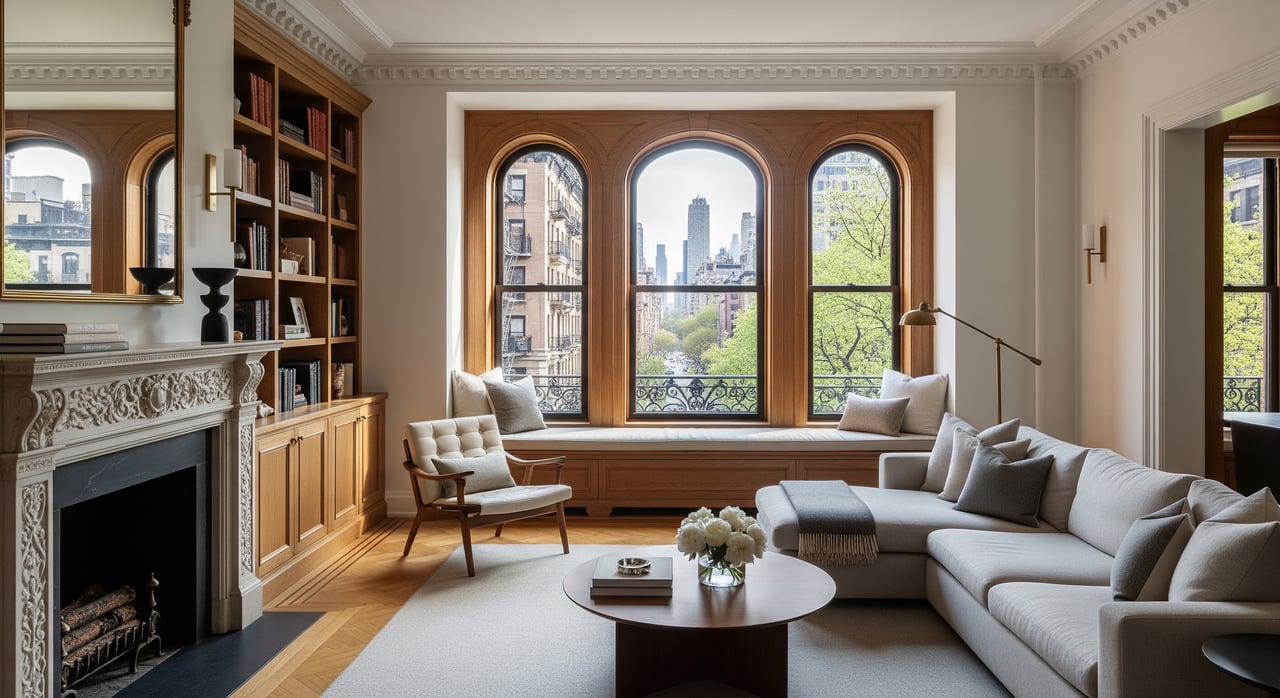
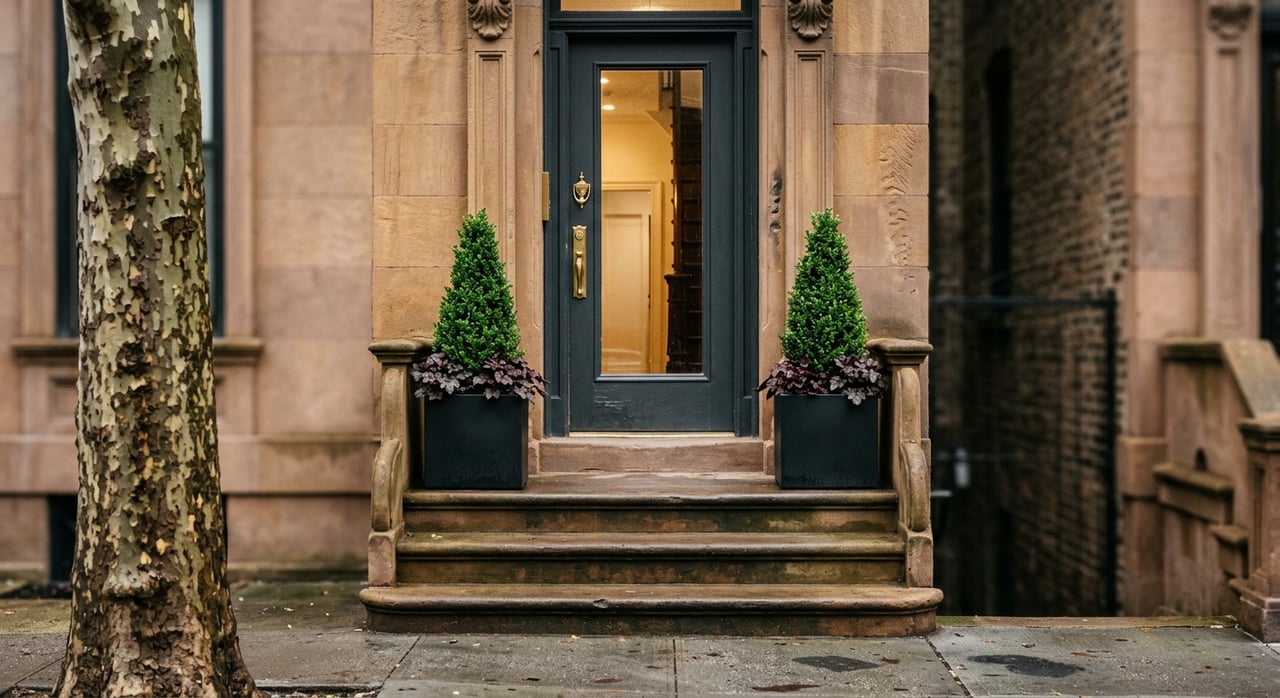
This is one of Manhattan’s signature neighborhoods for prewar architecture. You will find a strong presence of prewar co-ops, classic brownstones and townhouses. Postwar high-rises and newer condos appear near Lincoln Center and along parts of Riverside.
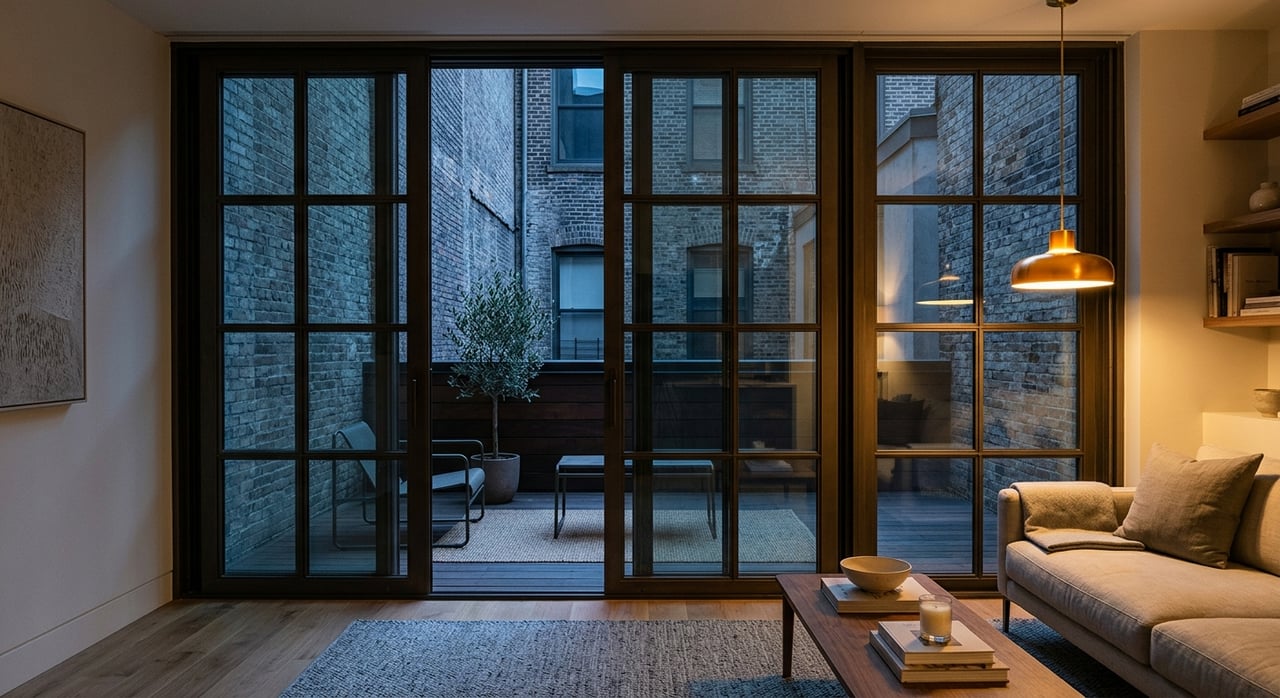
Prewar apartments often offer high ceilings, hardwood floors and charming details. Newer buildings are more likely to deliver amenities such as doormen, gyms and private outdoor space. Central Park West and Riverside Drive buildings tend to command premiums, while prices can vary widely block by block based on building type, unit condition and exact location.
Renting is common and seasonal swings can influence availability. Buying often means navigating a co-op board, building financials and approval timelines. If you plan to own, factor in maintenance, common charges and taxes, and confirm what utilities are included.
Families on the UWS are within New York City’s District 3 for K through 8 public schools. You will find a mix of zoned schools, district programs and citywide or lottery-based options. Gifted and Talented, charter and specialized middle or high school admissions follow citywide Department of Education procedures. It is smart to review the most current DOE guides and zone maps before you make a decision.
Private and parochial schools are part of the landscape, with competitive admissions. Preschools and childcare options are abundant, though waitlists for popular programs are common. Plan ahead, visit programs early and keep options open.
Day-to-day support is strong. You will find primary care practices, pediatricians and urgent care clinics within a short radius, plus branch libraries and community organizations that offer story times, youth programs and adult classes. These services are a practical advantage if you want an easy day-to-day routine.
Two anchors shape daily life here. Lincoln Center offers opera, ballet, symphony and film, with a steady mix of free and ticketed programming that pulls you into the arts on weeknights and weekends. The American Museum of Natural History is a neighborhood classic, with exhibits and events that work for both solo visits and family afternoons.
Beyond the big institutions, you will find smaller theaters, live-music venues and the New-York Historical Society, plus a year-round calendar of cultural events. Dining ranges from diners and bakeries to popular neighborhood restaurants and higher-end options near Lincoln Square and the Columbus and Amsterdam corridors. Side streets often hold quieter cafés and specialty shops.
Grocery options cover everything from specialty markets to national chains and small neighborhood grocers. Prepared-food counters make it easy for one- and two-person households, and busy families, to keep things simple on weeknights. Nightlife tends to be quieter than downtown, with more emphasis on early-evening dining, theater and classical music than late-night bars.
Avenues have distinct personalities. Broadway, Columbus and Amsterdam feel busier and more commercial. West End Avenue and Riverside Drive tend to feel calmer and more residential, with less through traffic.
If you want parks at your doorstep, a rich cultural scene and strong everyday convenience, the UWS checks many boxes. It works well if you prefer a walkable lifestyle and easy access to subways, buses and bike routes. It also appeals if you like a neighborhood feel with a wide age mix and a steady rhythm rather than a late-night scene.
If you prioritize quiet, you can find it by moving a couple of blocks off the commercial avenues. If you need energy and convenience, you will find it along Broadway, Columbus and Amsterdam. The variety makes it easier to match a specific block with your routines.
If the Upper West Side feels like the right fit, align with a neighborhood specialist who understands co-op boards, timing and the block-by-block differences that drive value. With legal-level negotiation, concierge support and curated showings, you can move with confidence from shortlist to board approval. To plan your next step, connect with Fainna Kagan for a private consultation.
Stay up to date on the latest real estate trends.
Known for her commitment and responsiveness to her clients, Fainna Kagan has repeatedly set records on the highest selling priced properties. Connect with her today!