Your Guide to Tribeca’s Local Weekend Lifestyle
June 4, 2026
June 4, 2026
If you only know Tribeca by reputation, you might picture a polished downtown enclave that looks great in photos but feels quiet once the workweek ends. The reality is more layered. Tribeca has a real weekend rhythm shaped by coffee runs, waterfront walks, gallery afternoons, and low-key dinners that make the neighborhood feel lived in, not just admired. If you want a clearer sense of how locals actually spend their time here, let’s dive in.
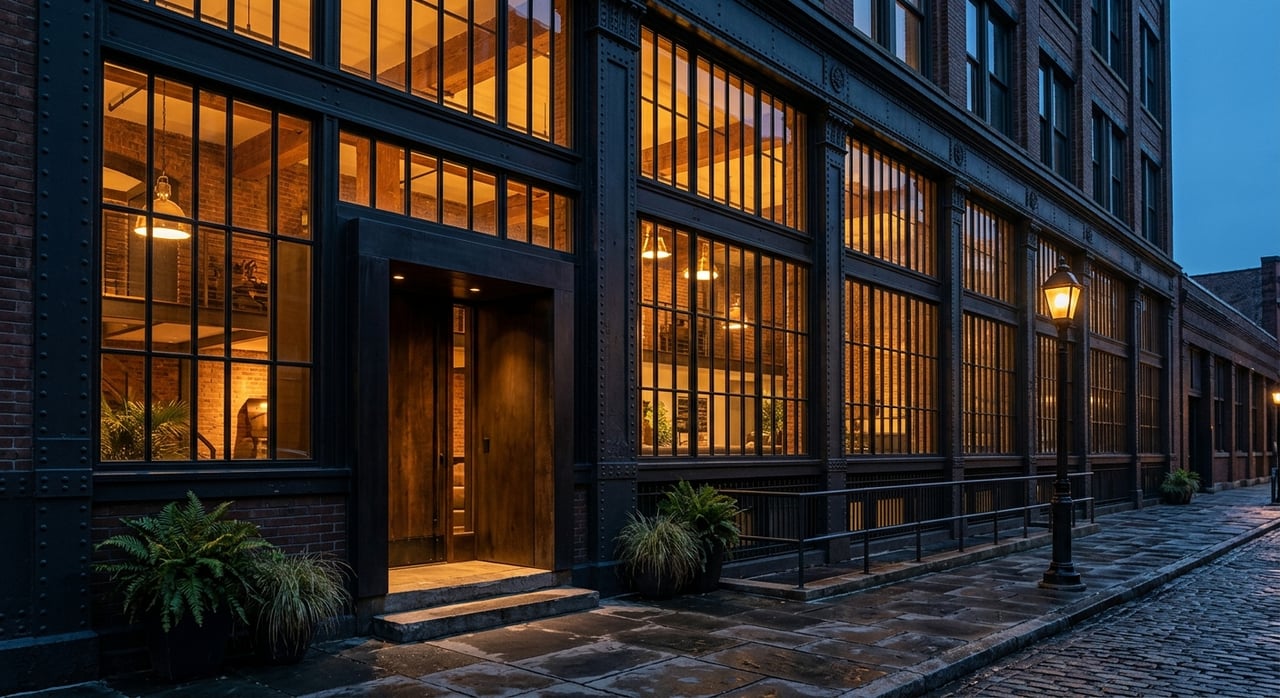
Tribeca is part of Manhattan Community District 1, and its built character still shows its commercial past. Official historic district designations describe a neighborhood of store-and-loft buildings, warehouses, cast-iron fronts, and other commercial structures, while the Special Tribeca Mixed Use District was created to support both light manufacturing and residential use in converted buildings.
That history matters because it helps explain why the neighborhood feels distinct today. You get broad streets, substantial older buildings, and a mix of uses that supports daily life. Tribeca is not just a place people pass through. It is a neighborhood where people live, walk, dine, and settle into routines.
That picture is backed up by growth, too. According to the 2020 Census-based Manhattan CB1 demographics report, Tribeca grew by 15.6% from 2010 to 2020 and reached 20,806 residents. In practical terms, that kind of resident base helps support the cafés, parks, restaurants, and cultural spaces that keep the neighborhood active on weekends.
A local-style weekend in Tribeca often begins simply. You grab coffee, pick up a pastry, and decide whether the morning calls for a quiet table or a walk west toward the river.
Several neighborhood staples fit that rhythm. Laughing Man Coffee on Duane Street opens daily at 6 a.m. to 6 p.m., which makes it an early option if you like to start the day before the sidewalks fill in. Maman Tribeca on West Broadway offers espresso, pastries, and sit-down dining, while Grandaisy Bakery is a go-to for breads, pastries, Roman-style pizza, and coffee drinks. Coffee Project New York on Washington Street adds another weekend option with coffee service and a food program starting at 8 a.m.
What stands out is not just the variety, but the way these places are woven into the streets locals already use. Duane Street, West Broadway, and Washington Street all support a weekend pace that feels easy and walkable. You are not planning a big production. You are stepping out for a neighborhood morning.
From there, many weekends naturally shift toward Hudson River Park. The Tribeca section runs from Chambers Street to Canal Street and serves as the park’s southernmost neighborhood segment.
Piers 25 and 26 give this part of downtown a lot of range. The park highlights features that include kayaking, beach volleyball, a dog park, a marine science playground, a native boardwalk, and waterfront food and drink stops. That means a simple morning can turn into a longer stretch outdoors without leaving the neighborhood orbit.
For buyers thinking about daily life, this is one of Tribeca’s most important advantages. The neighborhood gives you access to both urban streets and a genuine waterfront routine. On a nice weekend, that combination shapes how the whole day unfolds.
One of the easiest ways to understand Tribeca is to notice how little a car matters here. Lower Manhattan is served by 14 subway lines, six ferry lines, PATH service, Citi Bike stations, and the free Downtown Connection bus, according to Downtown Alliance.
That transit network supports a very local feeling weekend. You can stay entirely within the neighborhood on foot, or you can easily move between Tribeca and nearby downtown areas. For residents, that flexibility helps make weekends feel efficient and relaxed at the same time.
The streets themselves support that pattern. Tribeca’s mixed-use layout, along with direct access to the waterfront, makes it easy to string together a few low-effort stops that still feel like a full day. Coffee, park, gallery, dinner, and home can all happen without much planning.
By afternoon, Tribeca often feels less like a museum district and more like a place to gallery-hop. The Tribeca Arts District currently lists 99 verified galleries, design houses, music venues, and cultural spaces across Lower Manhattan, with active concentrations around Walker, White, Franklin, Broadway, and nearby blocks.
That density gives the neighborhood a different cultural texture from areas built around one major institution. Instead of committing to a single destination, you can move through several spaces in a short span. It is a more flexible way to spend an afternoon, and it fits the neighborhood’s street-level energy.
The current district directory includes names such as Marian Goodman, Jack Shainman, Bortolami, P·P·O·W, and James Cohan. Marian Goodman also opened its Tribeca headquarters in October 2024, adding to the area’s cultural momentum.
The district’s First Friday Gallery Walks, which run from Walker to Franklin, also reinforce the idea that art here is part of neighborhood life. Even if you are not following a formal event, the geography makes spontaneous browsing easy. A few blocks can turn into an afternoon.
For anyone considering a move, this matters because it speaks to lifestyle. Tribeca does not just offer beautiful apartments and known addresses. It offers a weekend culture that feels active, sophisticated, and accessible without being overly programmed.
Tribeca’s nightlife is not defined by a club corridor or a late-night frenzy. The current restaurant mix suggests something softer: dinner with friends, a relaxed bar room, a bottle of wine, or a long brunch that slides into the afternoon.
That tone fits the neighborhood’s residential feel. You can go out, but the experience usually feels grounded in dining and conversation rather than spectacle. For many residents, that is exactly the appeal.
Bubby’s on Hudson is known for brunch and also notes a dimly lit bar room for after-work or late-night cocktails. Locanda Verde has served breakfast, brunch, lunch, and dinner in Tribeca since 2009 and describes itself as a neighborhood osteria.
Della’s brings an intimate wine bar atmosphere with Italian-inspired lunch and dinner menus. Tre Sorelle on Reade Street adds a family-owned option with outdoor tables, wood-oven pizza, and daily hours from 11 a.m. to 10 p.m.
Taken together, these places help define the local weekend mood. The neighborhood supports going out, but in a way that still feels connected to home. That balance is one reason Tribeca appeals to buyers who want downtown access without a nonstop nightlife scene.
If Saturday in Tribeca often feels scenic and social, Sunday tends to reveal something else: community continuity. One useful example is Taste of Tribeca, the annual outdoor food festival produced entirely by parent volunteers from PS 150 and PS 234 that benefits those local public schools.
That event does not define every weekend, of course. But it does reflect something meaningful about the neighborhood. Tribeca’s social life is tied not only to restaurants and waterfront spaces, but also to local institutions and recurring community traditions.
For people evaluating neighborhoods, that distinction matters. A place can be stylish and still feel grounded. Tribeca’s weekend life suggests both.
A weekend tells you something listings cannot. It shows how a neighborhood actually functions when people are off the clock and moving through it by choice.
In Tribeca, the pattern is clear. You can start with coffee on Duane or West Broadway, head toward Hudson River Park, spend part of the afternoon around galleries near Walker, White, or Franklin, and end with dinner or wine on Hudson Street or West Broadway. That arc is not a rule, but it is a realistic reflection of the neighborhood’s current anchors.
For buyers, that can be a useful lens. Tribeca offers historic architecture, strong residential density, downtown connectivity, waterfront access, and a cultural scene that feels embedded in everyday life. If your ideal Manhattan weekend involves walking more, planning less, and having excellent options close at hand, Tribeca makes a strong case for itself.
If you want help evaluating whether Tribeca fits your lifestyle, schedule a private consultation with Fainna Kagan.
Stay up to date on the latest real estate trends.
Known for her commitment and responsiveness to her clients, Fainna Kagan has repeatedly set records on the highest selling priced properties. Connect with her today!