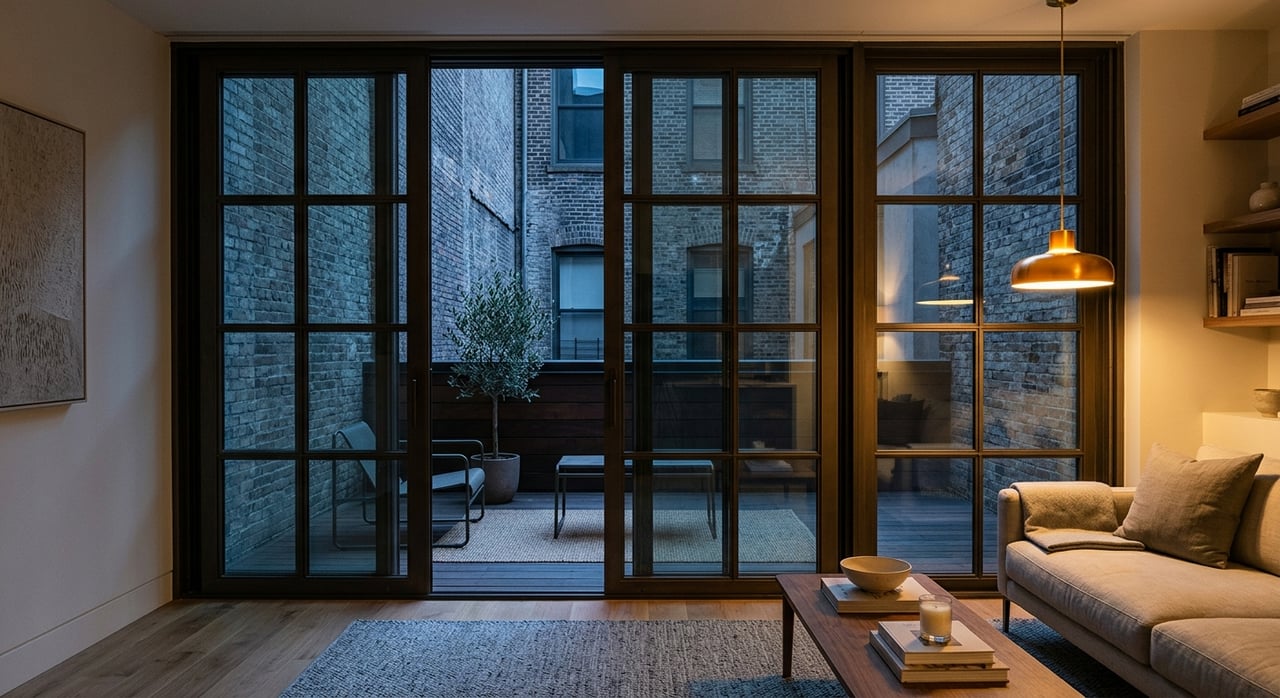
Is Chelsea Market Neighborhood Living Right for You?
June 11, 2026
June 11, 2026
Curious what daily life really looks like when you live near Chelsea Market and the High Line? For many buyers, this part of Manhattan stands out because it blends convenience, public green space, and strong transit access within a compact stretch of the West Side. If you are weighing a move to Chelsea, this guide will help you picture the housing, rhythm, and lifestyle that come with living close to these two well-known destinations. Let’s dive in.
Chelsea Market and the High Line sit in the same West Side amenity corridor, but they play very different roles in your day-to-day life. Chelsea Market is an indoor destination for food, shopping, services, and errands, while the High Line is a 1.45-mile elevated public park that runs from Gansevoort Street to West 34th Street between 10th and 11th Avenues.
That pairing shapes the experience of the area. You can have a neighborhood where grabbing a morning coffee, picking up essentials, meeting friends for a meal, or heading out for a walk in a landscaped public space all fit into the same local routine.
Chelsea Market is located at 75 Ninth Avenue between 15th and 16th Streets and is open daily from 7:00 AM to 10:00 PM. That matters if you want amenities that work for both weekday schedules and more relaxed weekend routines.
The market is also broader than many people expect. Its directory includes Food and Beverage, Arts and Culture, Shopping and Services, Chelsea Local, and Nationwide Shipping, which helps explain why it can feel useful for repeat visits rather than just the occasional outing.
For a buyer, that translates into daily convenience. Living nearby can mean quick access to meals, casual meetups, and practical stops that support an urban routine without requiring a long detour across the neighborhood.
The High Line brings a very different kind of value. It is a linear public park with access points near 14th, 16th, and 23rd Streets in this section of the West Side, which makes it easy to fold into everyday movement if you live nearby.
Friends of the High Line says the park hosts more than 450 public programs and activities each year. Along with places to walk and sit, that programming adds another layer to the neighborhood experience and gives the park a role beyond being just a scenic path.
The park is open daily, with hours that vary by season. If you like the idea of built-in outdoor space close to home, the High Line is one of the clearest lifestyle advantages of this part of Chelsea.
A big part of the appeal here is not just what is nearby, but how easily you can move beyond the neighborhood. Chelsea Market points visitors to the A, C, E, and L trains at 14th Street and the M11 bus on Ninth Avenue.
The MTA lists 14 St/8 Av as serving the A, C, E, and L trains, with bus connections that include the M14A-SBS, M14D-SBS, M11, M12, and M20. If you want a neighborhood that supports walking while still giving you multiple subway and bus options, this location checks that box.
That flexibility can make a real difference in daily life. You may find it easier to balance work, social plans, errands, and cross-town trips when transit choices are layered this closely together.
One of the most important things to understand about Chelsea is that the housing stock is not uniform. The neighborhood changes block by block, and that variation is part of what defines the area.
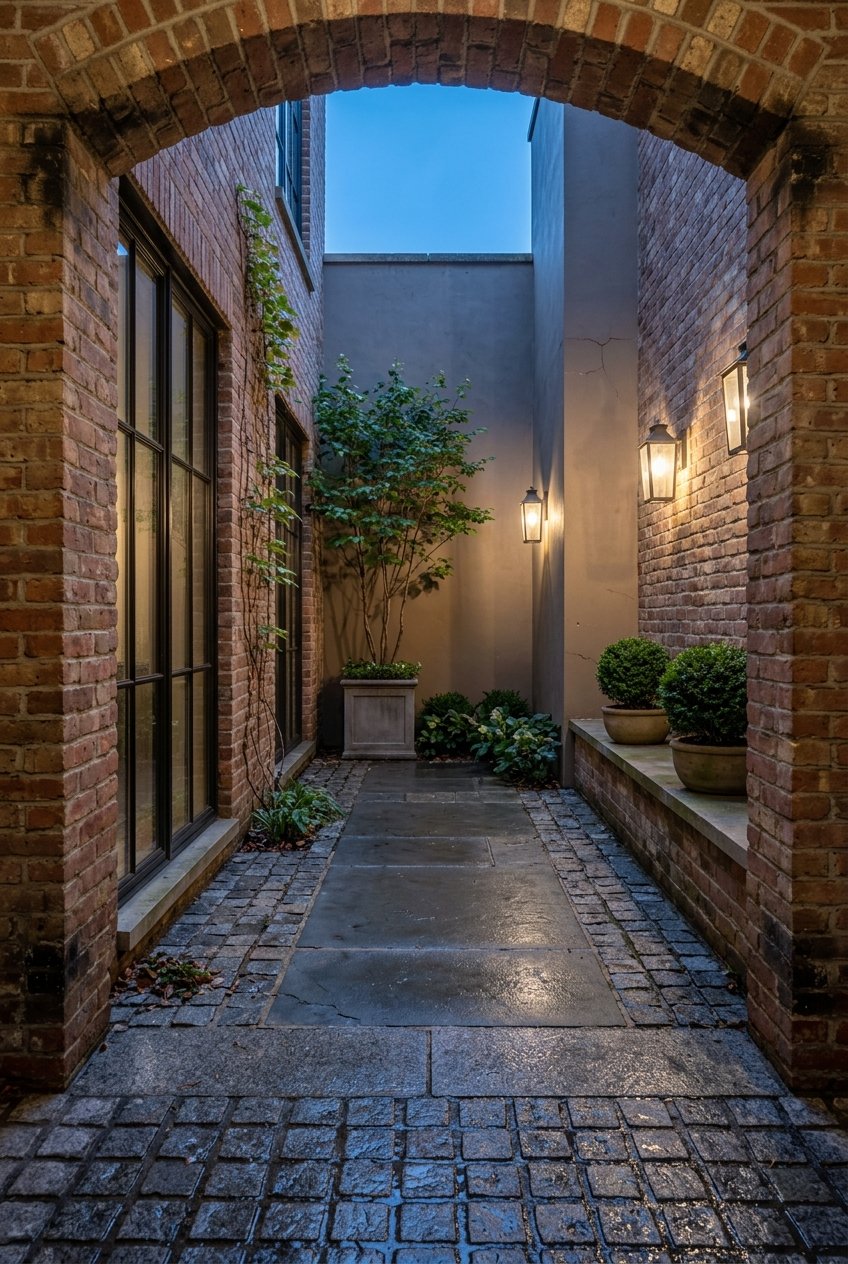
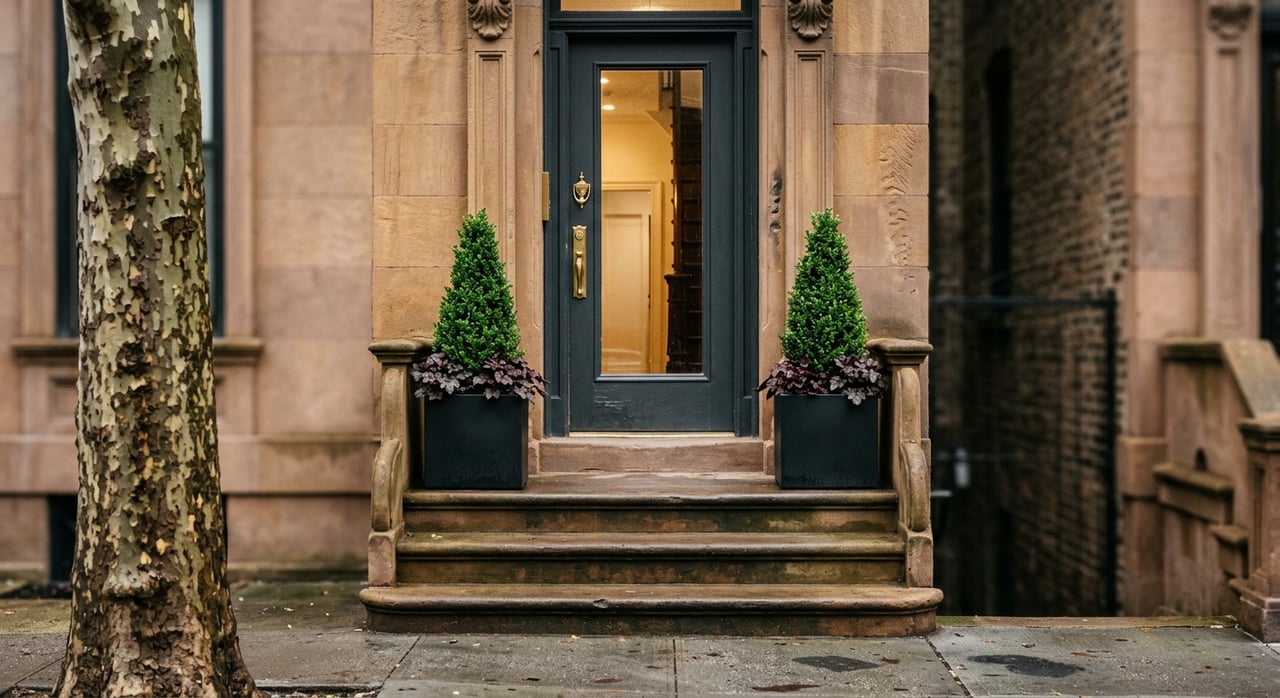
Chelsea’s historic core was laid out in 1835 as a rowhouse development around Chelsea Square, and much of that core remains intact. In many parts of Chelsea, the built environment includes rowhouses, tenements, and low- and mid-rise buildings.
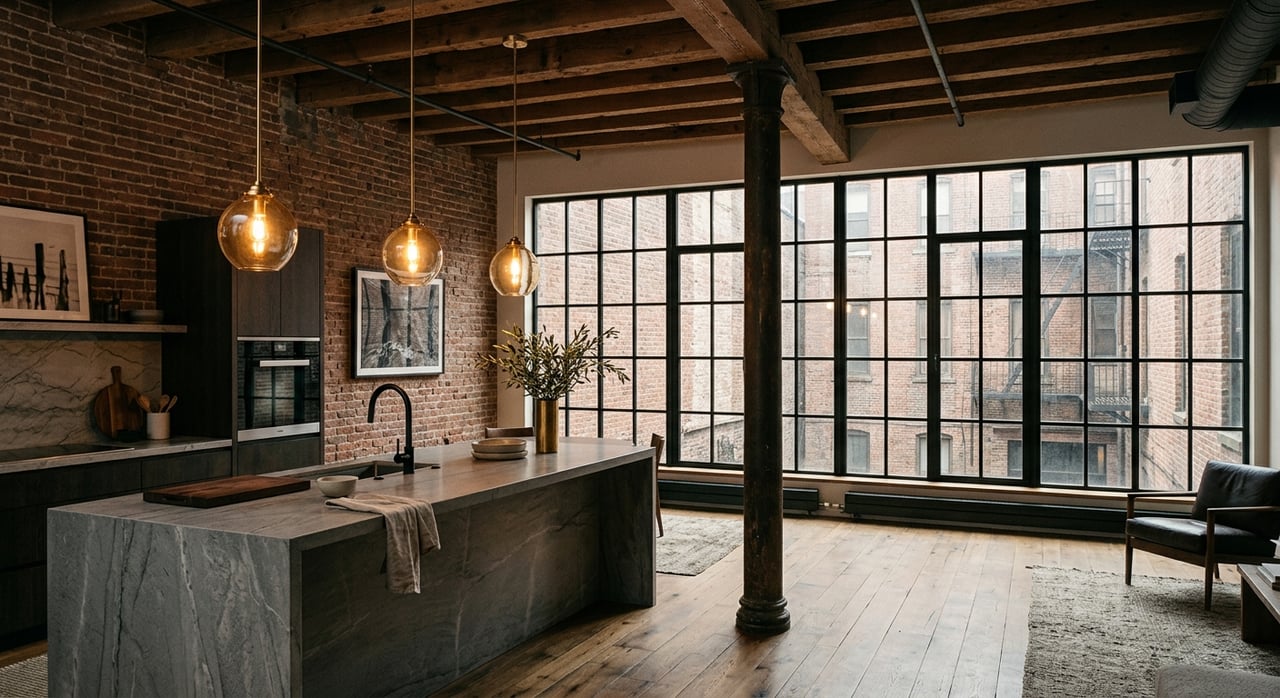
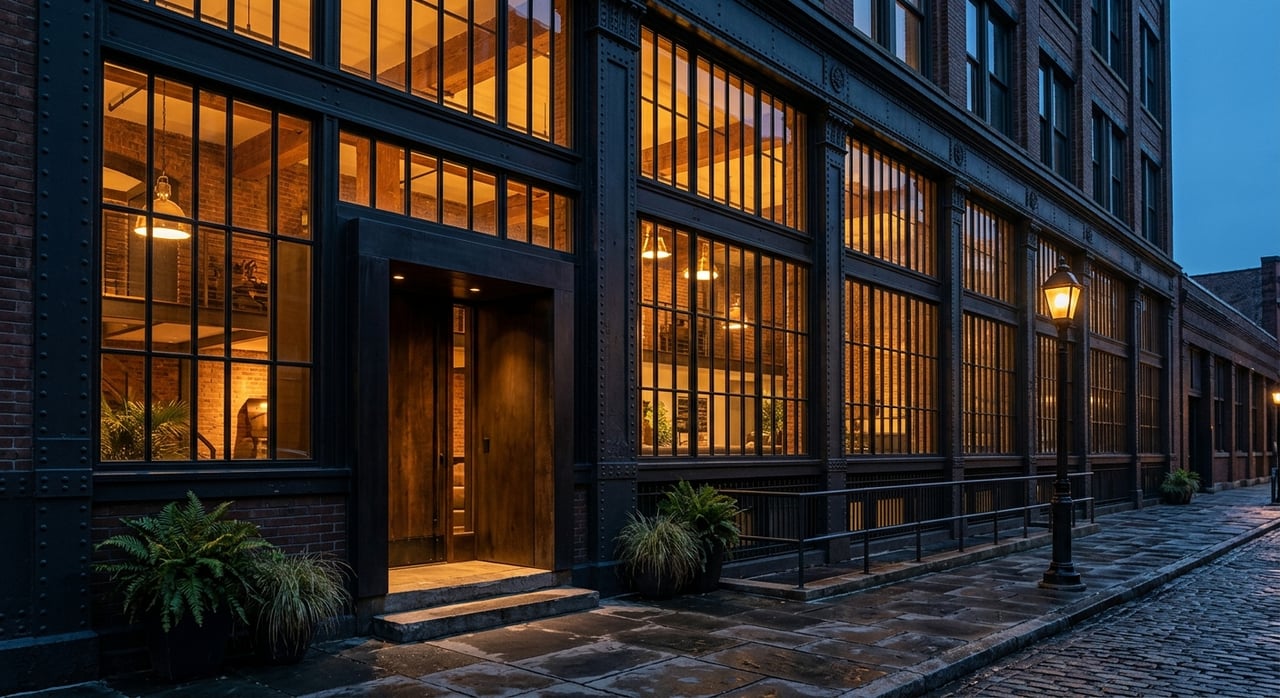
West of Tenth Avenue, the streetscape shifts. Former manufacturing and waterfront land helped create a mix of large loft buildings, industrial structures, conversions, towers, and larger apartment blocks.
In practical terms, living near Chelsea Market and the High Line can mean very different home experiences depending on the exact block and building. You may be looking at a historic rowhouse street, a prewar apartment house, a loft conversion, a low-rise residential building, or a larger postwar complex or tower.
This part of Chelsea rewards a careful search. Two homes that are close on a map can offer very different layouts, building styles, light, scale, and street feel.
That is especially important if you are deciding between property types like co-ops, condos, townhouses, or certain multi-family opportunities. A buyer who wants classic architectural character may focus on one set of blocks, while someone who prefers larger-scale buildings or loft-style living may be drawn to another.
The key is not to think of this area as one single product. It is better understood as a layered neighborhood where your exact location can shape your day-to-day experience as much as the broader Chelsea address.
The strongest appeal is the combination of convenience, connectivity, outdoor space, and neighborhood character. Chelsea Market supports frequent errands and dining, the High Line adds public green space and programming, and the transit network keeps the area connected to the rest of Manhattan.
For many people, that creates an amenity-rich urban lifestyle. You are not choosing only a home. You are also choosing a daily radius where food options, transit access, public space, and distinct streetscapes all work together.
That can be especially appealing if you want your neighborhood to support both structure and flexibility. You can keep things efficient during the week and still have plenty within reach when you want a slower pace on weekends.
If you value walkability and like having multiple kinds of amenities close to home, this area may be worth a serious look. It offers a mix of indoor convenience and outdoor access that is not always easy to find in one place.
It can also work well if you want options in housing style rather than a neighborhood defined by one dominant building type. The tradeoff is that the search often requires a more block-specific approach, because the feel of the area can change quickly from one stretch to the next.
That is where local guidance matters. When you understand how a specific building, block, and transit pattern fit your priorities, you can make a far more confident decision.
If you are considering a move in Chelsea or anywhere on Manhattan’s West Side, working with a broker who understands building types, neighborhood nuance, and the details that shape daily life can save you time and help you focus on the right opportunities. To schedule a private consultation, connect with Fainna Kagan.
Stay up to date on the latest real estate trends.

Known for her commitment and responsiveness to her clients, Fainna Kagan has repeatedly set records on the highest selling priced properties. Connect with her today!