Chelsea vs West Village Living: An Art-Focused Guide
April 2, 2026
April 2, 2026
If your ideal New York day includes gallery hopping, beautiful streets, and a home that supports the way you like to live, choosing between Chelsea and the West Village can feel harder than it looks. Both neighborhoods offer strong downtown appeal, but they deliver very different daily experiences. If you are trying to decide which one better matches an art-focused lifestyle, this guide will help you compare the feel, housing, culture, and market context of each. Let’s dive in.
If you want the short answer, Chelsea is the stronger match for a gallery-first lifestyle, while the West Village is often a better fit if you want historic charm and a quieter residential feel.
That difference shows up in how each neighborhood is described today. StreetEasy’s Chelsea profile calls Chelsea action-packed and fast-paced, with a thriving arts scene and a dense mix of restaurants, bars, and nightlife. StreetEasy’s West Village profile describes the West Village as one of downtown Manhattan’s quieter and more sophisticated areas, with curving streets, historic buildings, and a livelier feel after dark rather than all day long.
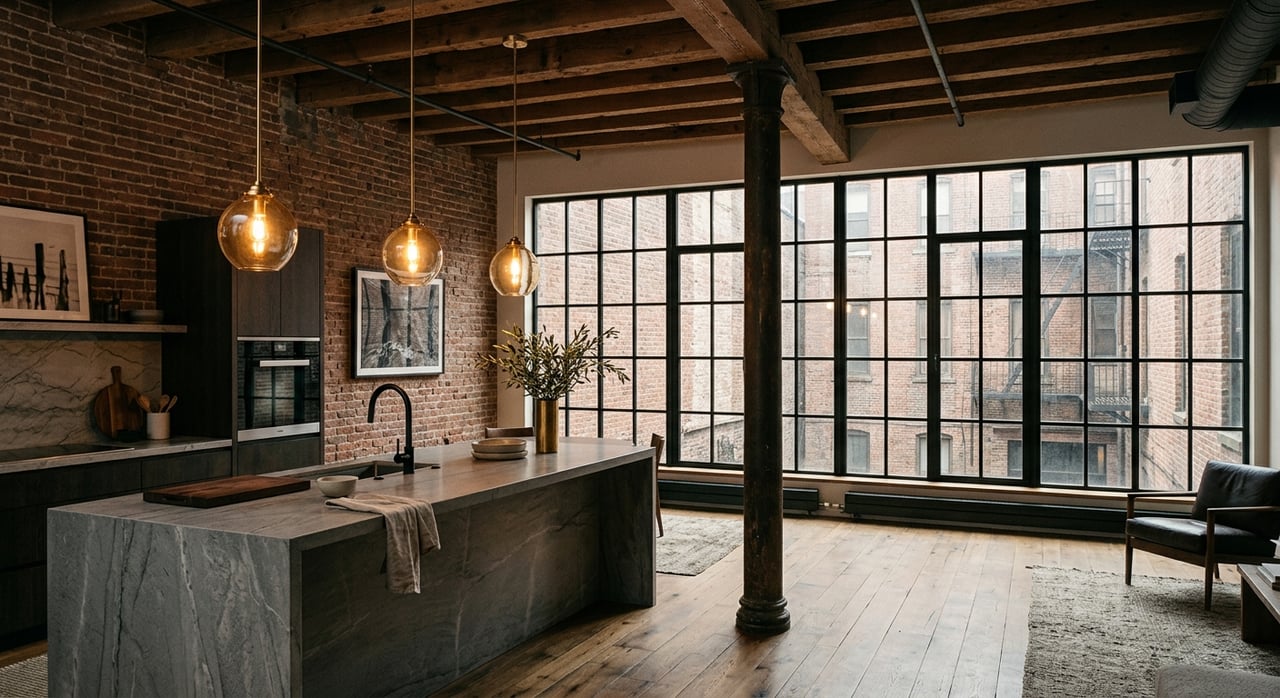
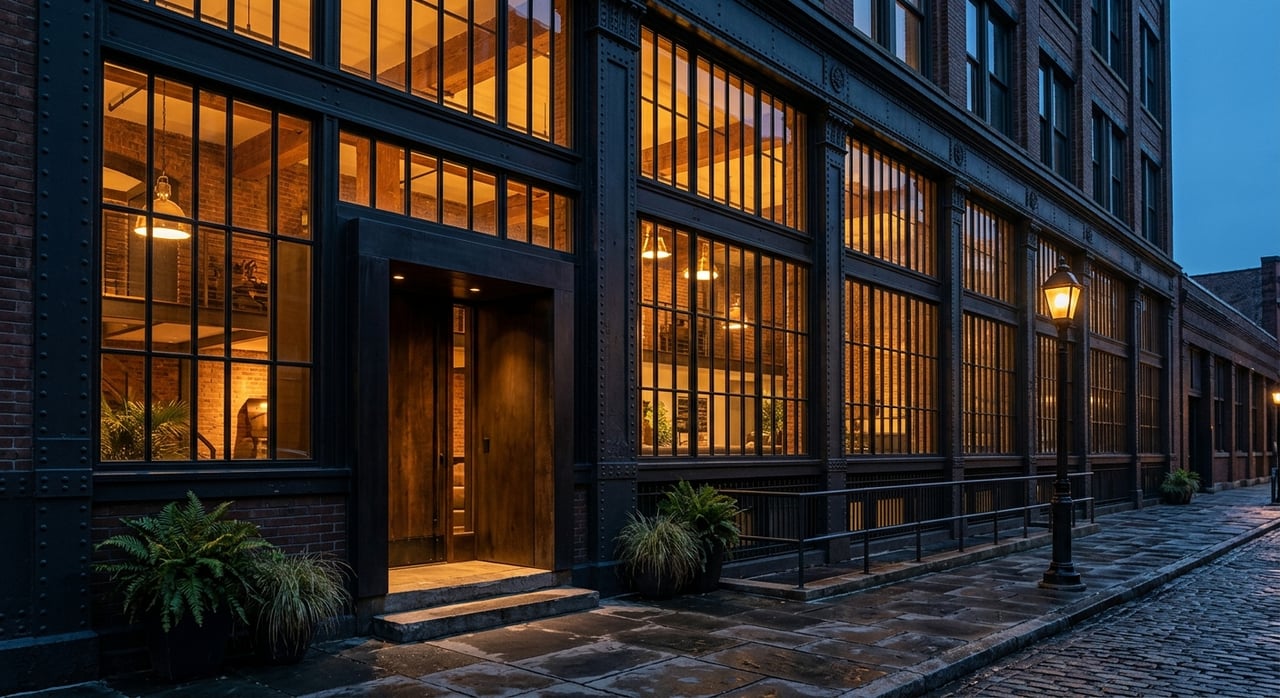
Chelsea stands out because art is woven into the neighborhood’s identity, especially in West Chelsea. According to a New York City Planning environmental impact statement, art galleries are the predominant commercial use on many blocks between West 20th and West 27th Streets, often in converted loft buildings and garages.
That concentration matters if you want art to be part of your routine, not just something you visit once in a while. In Chelsea, you can build a lifestyle around gallery openings, exhibitions, and performance spaces without needing to plan your entire week around them. StreetEasy also points to the neighborhood’s cultural reach, noting destinations like the Joyce Theater and the Whitney Museum in its broader Chelsea overview.
The High Line adds another layer to Chelsea’s art-driven identity. Friends of the High Line says the 1.45-mile elevated park hosts more than 450 public programs and has featured work by more than 120 artists through High Line Art. If you like public art, design, and an active urban backdrop, that can be a major plus.
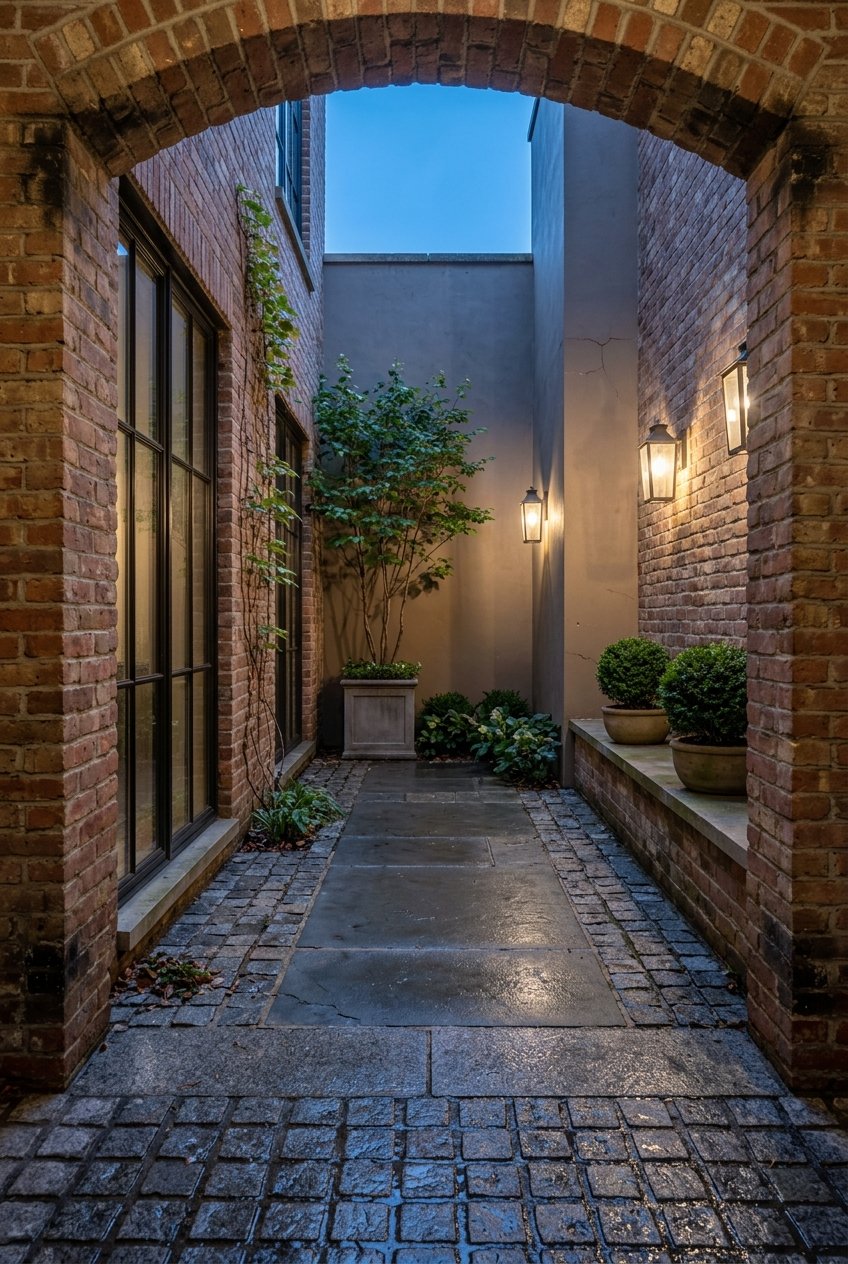
The West Village offers culture too, but in a more intimate and residential setting. The neighborhood is often valued for its preserved character, historic buildings, and walkable street life more than for a concentrated gallery scene.
StreetEasy notes the West Village’s artist-loft legacy and strong dining and nightlife mix, but the overall picture is less gallery-dense and more neighborhood-oriented. The result is a setting that may suit you if your art-focused lifestyle is less about being near a gallery corridor and more about living in a place with texture, history, and creative energy.
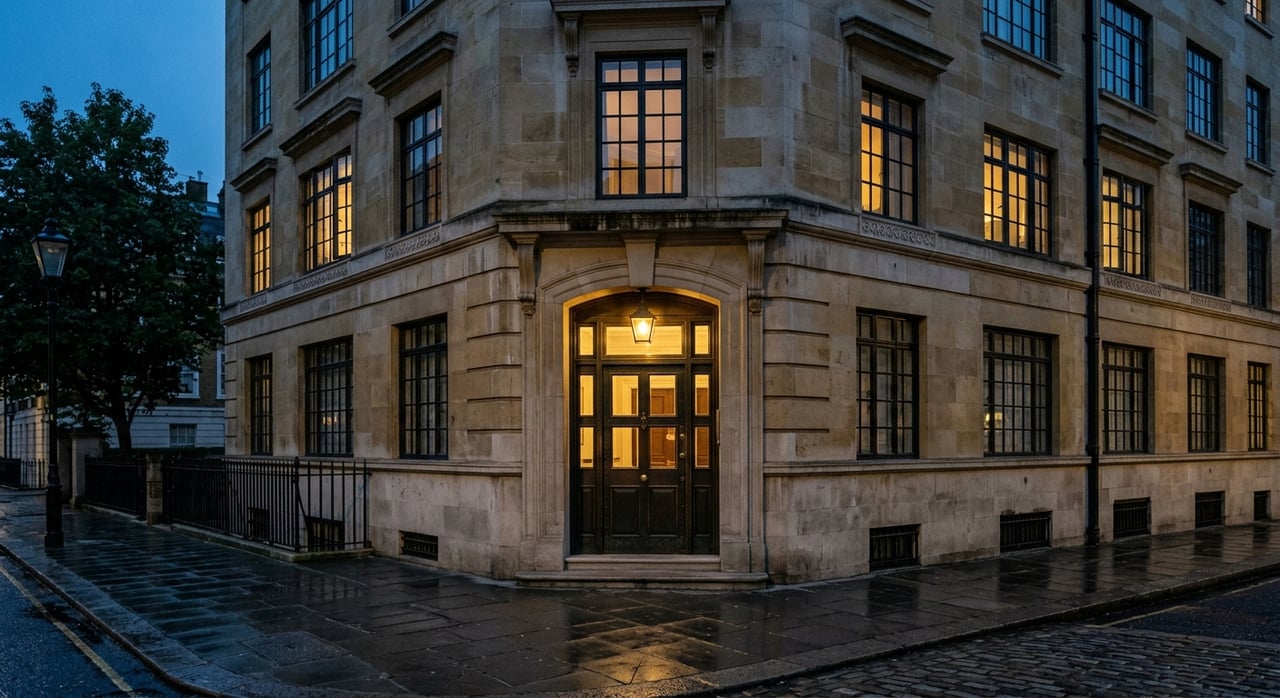
There is also a meaningful preservation story here. The Landmarks Preservation Commission notes that the Greenwich Village Historic District was designated in 1969 and remains the largest historic district in New York City. For buyers, that often translates to a stronger sense of continuity in scale and streetscape.
Your best fit may come down to how you want your day to feel.
Chelsea is better for you if you enjoy energy at almost every hour. StreetEasy describes it as a 24/7 neighborhood, and that comes through in the mix of galleries, restaurants, bars, and entertainment venues. It can feel dynamic, social, and constantly in motion.
The West Village tends to feel more tucked in. Its off-grid streets and lower-rise character create a more compact experience that many people read as calmer and more pedestrian-friendly. If you want to step outside and feel like the neighborhood invites you to slow down, the West Village may be the stronger match.
Housing style is one of the biggest practical differences between the two neighborhoods.
In Chelsea, you will find a broader housing mix. StreetEasy’s Chelsea area page notes substantial new development, especially near the High Line, while much of the traditional housing stock remains prewar co-ops, along with side-street townhouses.
That range can give you more options if your priorities include elevator buildings, newer finishes, or modern condo inventory. It also means Chelsea can feel very different depending on the block. The experience near the High Line is not the same as a quieter side street lined with older buildings.
If you are especially drawn to new development and contemporary design, StreetEasy’s West Chelsea page reinforces that angle. It shows 36 new developments, with a median listing price of $7.0375 million and pricing around $3,137 per square foot.
That does not define all of Chelsea, but it does show how sharply the neighborhood can shift in product type and pricing. For some buyers, that means access to sleek, high-service buildings near art and public space. For others, it means narrowing the search carefully by sub-area.
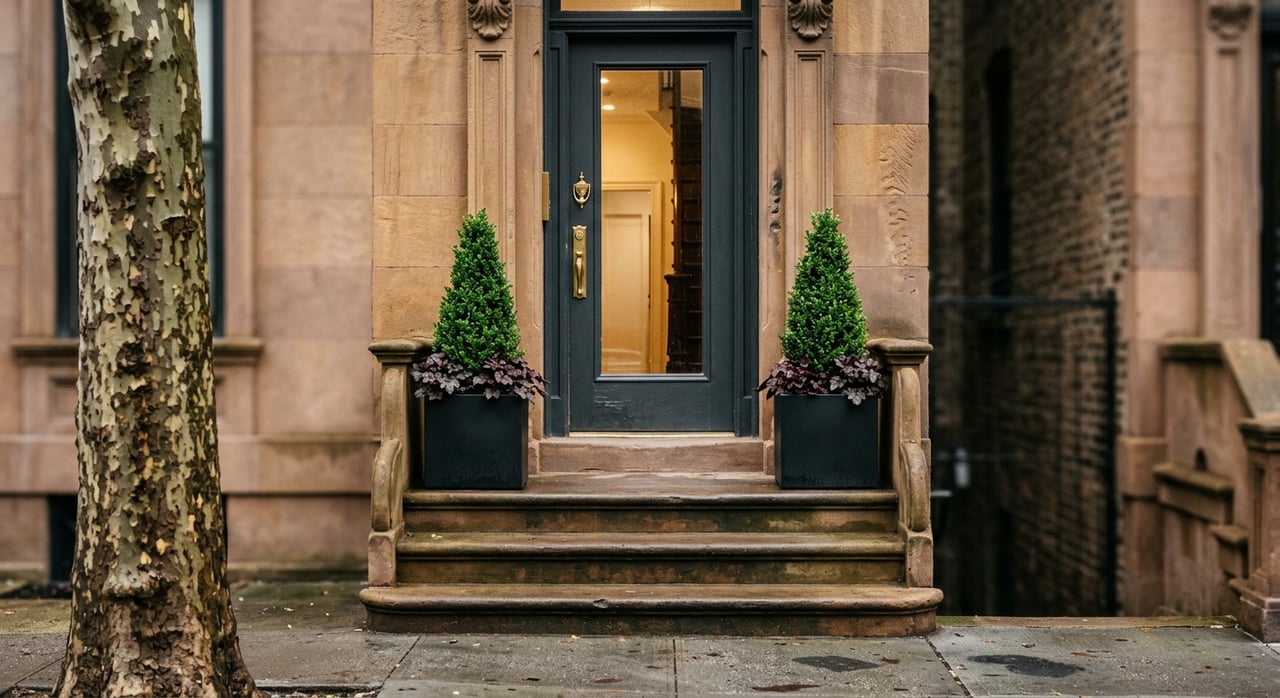
The West Village is more unified in its physical character. StreetEasy describes the housing stock as primarily historic townhouses and walk-ups, with many homes that are older, smaller, and closely tied to the neighborhood’s low-rise identity.
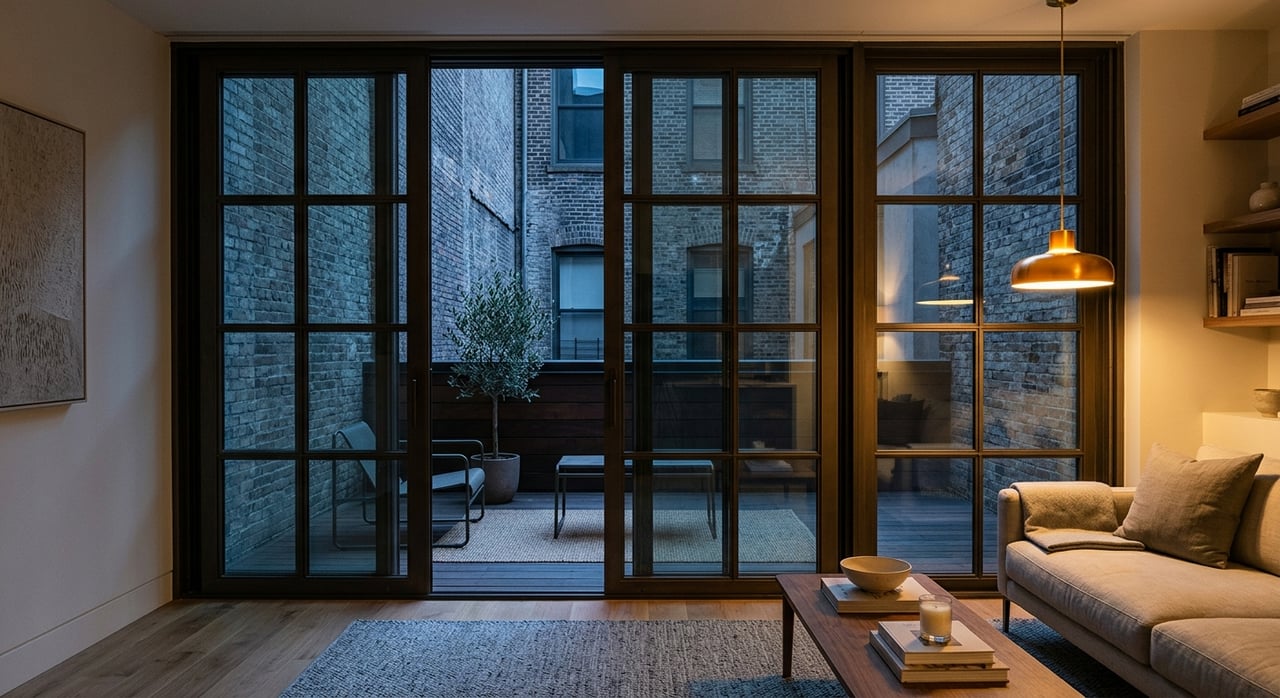
If you love original detail, charming blocks, and architecture that feels rooted in old New York, this consistency may be a major draw. If you want newer systems, larger windows, or a more contemporary building experience, your options may be more limited than in Chelsea.
Price matters, but so does what you get for that price.
According to StreetEasy’s current Chelsea market snapshot, Chelsea has a median sale price of $1.3 million and a median base rent of $5,500. The West Village snapshot on StreetEasy shows a median sale price of $1.5 million and a median base rent of $5,495.
In simple terms, the rental difference is minimal based on those current pages, while purchase pricing in the West Village trends somewhat higher. Chelsea, however, has a wider internal range because it includes both older co-ops and newer luxury development.
That spread can be helpful if you want more choice across building types and price points. The West Village may appeal more if you are willing to pay a premium for historic setting and a more consistent neighborhood feel.
Here is the practical breakdown.
If you are seriously weighing Chelsea against the West Village, it helps to compare them in person with a clear set of priorities. Think about what matters most in your daily life, not just what looks good on paper.
A few useful questions to ask yourself include:
When your lifestyle goals are clear, the neighborhood choice often becomes clearer too. In Manhattan, two areas can sit relatively close together while offering very different experiences once you live there every day.
If you want help comparing Chelsea and the West Village through the lens of building type, pricing, and day-to-day fit, Fainna Kagan can help you evaluate the options with a smart, efficient, and highly tailored approach.
Stay up to date on the latest real estate trends.
Known for her commitment and responsiveness to her clients, Fainna Kagan has repeatedly set records on the highest selling priced properties. Connect with her today!