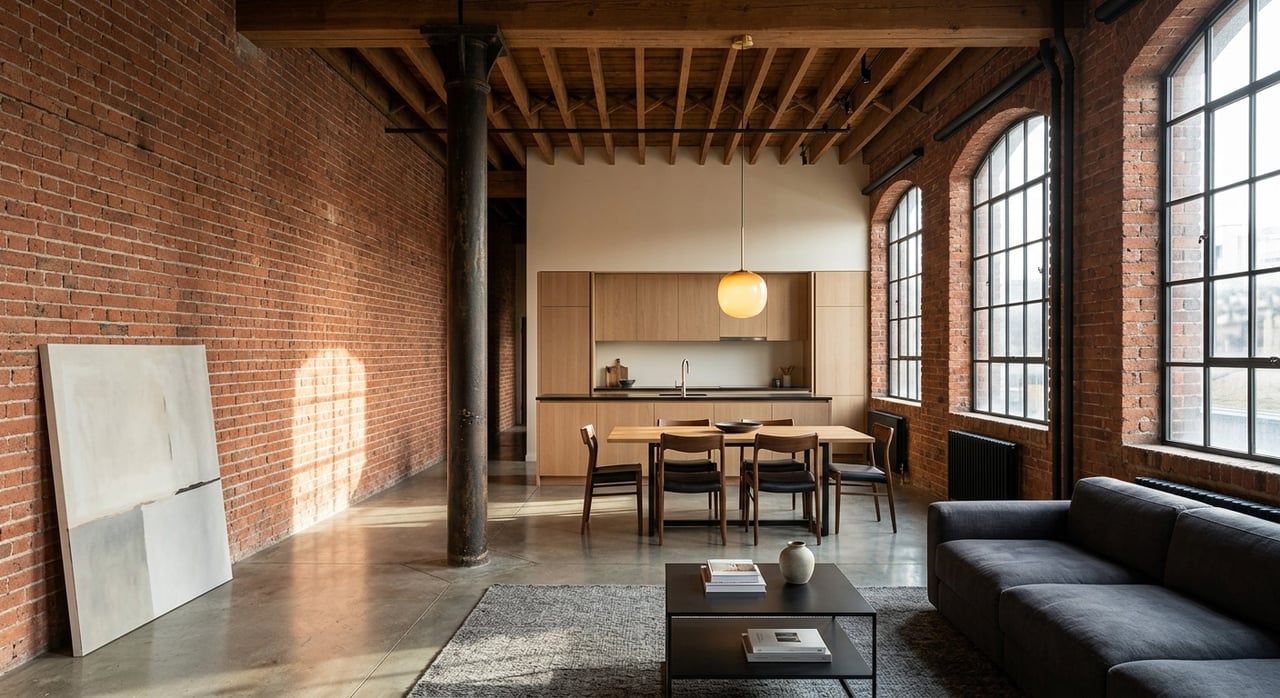
How to Price and Position a Tribeca Loft for Sale
May 21, 2026
May 21, 2026
If you own a Tribeca loft, you already know it is not a cookie-cutter property. In this market, buyers are still willing to pay for scale, light, and authentic architectural character, but they are also looking closely at value, condition, and pricing discipline. The good news is that with the right strategy, you can position your loft to stand out for the reasons that matter most. Let’s dive in.
Tribeca remains one of Manhattan’s most expensive submarkets. StreetEasy currently shows a median sale price of $3.5 million and 52 days on market, which reflects both the neighborhood’s prestige and the level of buyer scrutiny at this price point.
At the same time, the broader Manhattan market is active but measured. Corcoran’s Q1 2026 Manhattan report shows closings up 1% year over year, dollar volume up 4%, inventory down 2%, and median price up 9% to about $1.28 million. For you as a seller, that means limited supply still supports pricing, but buyers are rewarding homes that feel well positioned from day one.
One of the biggest pricing mistakes in Tribeca is assuming all lofts should command a similar price per square foot. Recent sales show a wide range, and that spread exists for a reason.
In this neighborhood, value is often shaped by qualities that are hard to replicate. Ceiling height, natural light, original materials, room proportions, layout efficiency, and building pedigree can all move pricing significantly.
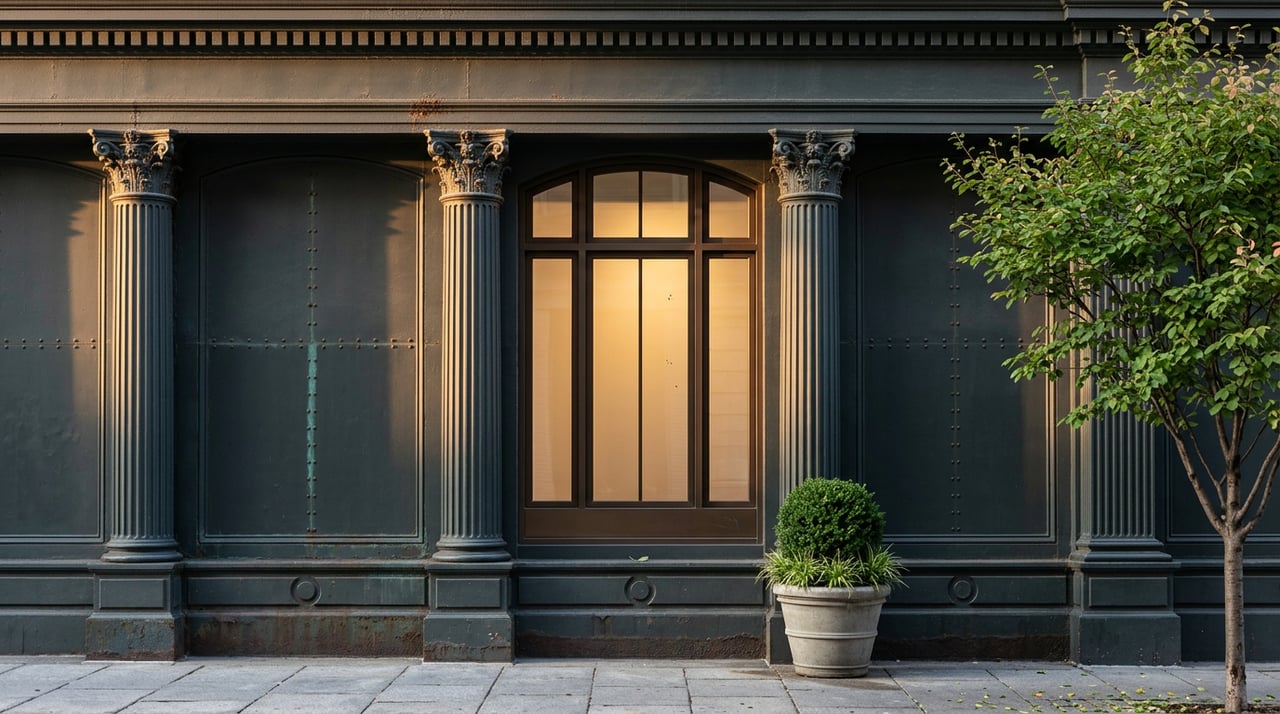
Tribeca’s architectural identity also matters. The neighborhood includes several historic districts, and many of its classic store-and-loft buildings date back to the mid-19th century. That history is not just interesting background. It is part of what buyers are paying for when they respond to cast-iron columns, oversized windows, wood beams, painted tin ceilings, and true loft proportions.
When buyers compare one Tribeca loft to another, these are often the details that create separation:
A loft with authentic character and strong functionality usually tells a clearer story than one that is simply large. In Tribeca, scarcity and architectural integrity often carry real pricing power.
A look at recent closings shows how much the market rewards the right mix of features.
At 10 White Street #3, the loft sold for $5.652 million, or about $1,884 per square foot, after just 13 days on market and 20% above list. The home offered 12-foot ceilings, painted tin, cast-iron columns, and full-floor loft living.
At 60 Warren Street #2, the property sold for $7.0 million, or about $1,684 per square foot, after 18 days on market. Its appeal included 4,157 square feet, 12-foot ceilings, 14 oversized windows, exposed brick, and cast-iron columns.
At 195 Hudson Street #3A, the unit sold for $4.365 million, or about $1,889 per square foot. The listing highlighted a corner layout, 11.5-foot ceilings, triple-glazed industrial windows, a home office, parking, and a boutique prewar condo setting.
At 55 Warren Street #3, the loft sold for $4.995 million, or about $1,378 per square foot. It featured a private keyed elevator, 12-foot ceilings, oversized mahogany-framed windows, and a 23-foot-wide great room.
At 85 Worth Street #2, the home sold for $10.6 million, or about $2,661 per square foot, after 55 days on market and 1% below list. The listing emphasized 12.6-foot ceilings, original cast-iron columns, wood beams, and a boutique condominium service package.
These sales ranged from roughly $1,378 to $2,661 per square foot. That is a major spread, and it confirms that size alone does not set value in Tribeca.
The market is pricing nuance. A loft with exceptional ceiling height, preserved original details, stronger light, better finish level, and a more compelling building story can outperform a larger but less distinctive competitor.
That is why pricing a Tribeca loft should never mean grabbing the highest number in the neighborhood and hoping for the best. Your price has to reflect where your property fits within the nearest cluster of truly comparable sales.
It is tempting to anchor your loft to the most impressive sale in the area. In practice, that can backfire unless your home truly matches that outlier in scale, finish, ceiling height, condition, and overall pedigree.
A safer strategy is to start with the most similar recent closings, then adjust based on the features buyers actually respond to. In today’s market, precision on launch matters more than aspirational pricing.
If you come out too high, you may lose momentum with the buyers most likely to pay a premium. In a selective market, the first impression often does more work than later price cuts.
Pricing is only half the job. Positioning is what helps buyers understand why your loft deserves attention and how it differs from other listings they are seeing.
The strongest Tribeca listing narratives usually center on three ideas:
That means your marketing should do more than say the home is renovated. It should explain what is rare about the loft, what has been preserved, what has been improved, and how the home lives day to day.
In Tribeca, architecture is part of the value proposition. If your loft includes cast-iron columns, original beams, tin ceilings, oversized warehouse windows, or a true full-floor layout, those details should be presented clearly and consistently.
Buyers in this segment are often responding to emotional and practical value at the same time. They want the romance of a classic downtown loft, but they also want comfort, functionality, and confidence that the property has been thoughtfully maintained.
This is where strong positioning makes a difference. A well-framed listing helps buyers see not just square footage, but significance.
Unique properties can create unique appraisal questions. Fannie Mae’s appraisal guidance notes that appraisers prefer the most similar sales, while also allowing support from older or competing-neighborhood comparables when a property is unusual and the adjustments are well supported.
For you as a seller, that means preparation matters. A clean appraisal package can help support your contract price and reduce avoidable friction during the transaction.
Consider preparing these items early:
This step is especially useful in a loft, where layout, finish, and architectural features can make direct comparisons more challenging.
Many Tribeca buildings fall within historic districts. According to the Landmarks Preservation Commission, most exterior changes to facades in historic districts require review, and exterior work on a landmarked building or building in a historic district generally needs a permit even when a Department of Buildings permit is not required.
If your loft has had work done to windows, storefront elements, cornices, or other visible exterior features, careful documentation can be important. Future buyers and appraisers may want to understand that the work was properly approved.
This is not just paperwork for its own sake. In Tribeca, the building’s architectural story often supports the pricing narrative, so having a clear record can strengthen buyer confidence.
In a supply-constrained but disciplined market, the best launch is usually the one that feels intentional. Buyers are moving quickly on properties that read as well priced, well presented, and hard to duplicate.
That means your first week on market should not be treated as a test run. The photography, floor plan, pricing logic, feature callouts, and overall story should all work together from the start.
For many Tribeca loft sellers, the goal is not simply to list high and negotiate down. It is to enter the market with a price and presentation that invite serious engagement from qualified buyers right away.
Selling a loft in Tribeca requires more than plugging numbers into a spreadsheet. You need a pricing strategy rooted in comparable sales, but you also need a clear editorial point of view about what makes your home special.
That balance is where strong results often happen. When your pricing is disciplined and your positioning is specific, buyers can see both the logic and the lifestyle behind the asking price.
If you are thinking about selling a Tribeca loft, the right plan starts with an honest reading of the comps, a careful review of your property’s strengths, and a polished market story that supports value from the first showing to the final negotiation. To discuss how to price and position your property with precision, Fainna Kagan can help you create a smart, high-touch strategy.
Stay up to date on the latest real estate trends.
Known for her commitment and responsiveness to her clients, Fainna Kagan has repeatedly set records on the highest selling priced properties. Connect with her today!