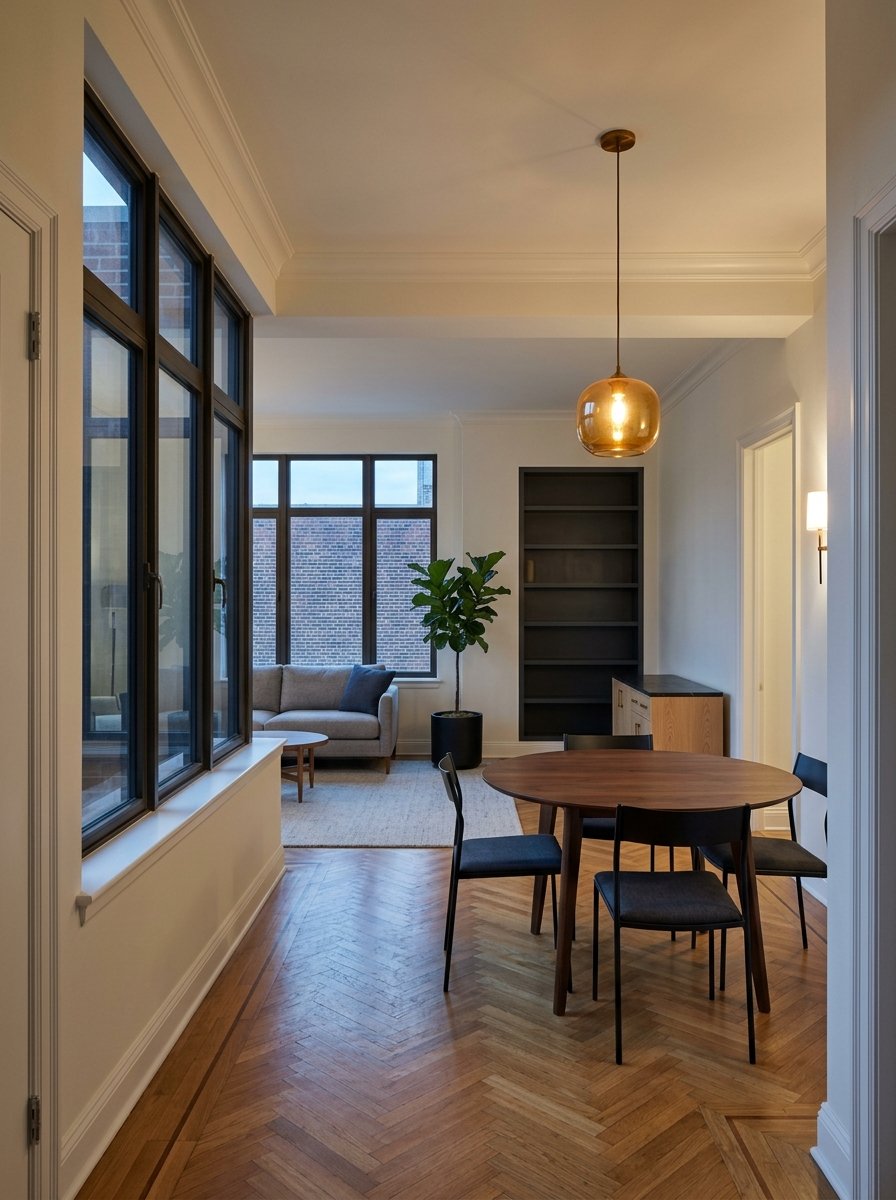
From Renter to Owner: Buying a West Village Apartment
April 16, 2026
April 16, 2026
If you have been renting in the West Village long enough, you have probably asked yourself the big question: Could I actually buy here? In one of Manhattan’s most expensive and competitive neighborhoods, that idea can feel out of reach. The good news is that ownership is not reserved only for luxury condo buyers, and with the right strategy, you may have more options than you think. Let’s dive in.
The West Village remains one of downtown Manhattan’s premium residential markets. According to StreetEasy’s West Village neighborhood data, the neighborhood currently shows a median sale price of $1.5 million, a median base rent of $5,495, and median days on market of 62 days.
Other sources show slightly different figures, but they tell the same story. Zillow reports an average home value of $1,776,063, while Realtor.com’s local market data shows a median home sale price of $1,995,000 and homes selling about 1.16% below asking on average. In plain terms, this is a high-priced neighborhood with limited supply.
That said, high-priced does not mean impossible. It means your plan needs to be realistic, specific, and tailored to how West Village inventory actually works.
If you are moving from renter to owner, your first step is understanding where the true entry-level opportunities are. In the West Village, those opportunities are typically not in condos.
Current StreetEasy co-op listings in the West Village show studios roughly in the $475,000 to $749,000 range, with one-bedroom co-ops often around $700,000 to $1.55 million. By contrast, the condo market starts much higher, with one-bedroom condos on StreetEasy starting around $1.695 million and larger units rising quickly from there.
This matters because many renters picture buying a sleek condo and then assume the whole neighborhood is out of budget. In reality, the more common path into ownership here is often a studio or compact one-bedroom co-op.
In the West Village, your ownership path often comes down to one key choice: co-op or condo. That decision affects your purchase price, approval timeline, monthly costs, and how much flexibility you have after you move in.
According to Corcoran’s NYC buyer guide, co-ops usually involve board approval, a detailed financial package, and more rules around pets, renovations, and subletting. Condos are typically more flexible, but they often come with higher purchase prices and higher mortgage-related closing costs.
Here is the simplest way to think about it:
| Property Type | Typical Advantage | Typical Tradeoff |
|---|---|---|
| Co-op | Lower purchase price, often lower closing costs | More board scrutiny, stricter rules |
| Condo | More flexibility, easier approval process | Higher pricing, higher closing costs |
For many first-time buyers, a co-op is the more practical way to enter the West Village market. If your priority is simply owning in the neighborhood rather than maximizing flexibility, that can be an important mindset shift.
One of the biggest surprises for renters is that the listing price is only part of the story. The amount of cash you need can vary a lot based on the building type and your financing.
There are mortgage products designed to lower the initial hurdle. Fannie Mae’s HomeReady program allows down payments as low as 3% for eligible borrowers. NYC HPD’s HomeFirst program can offer up to $100,000 toward down payment or closing costs for eligible first-time buyers, while requiring at least 3% of the purchase price from your own funds.
SONYMA programs through New York State can also help, and its down payment assistance can be layered onto eligible mortgage programs. Still, in the West Village, co-op rules often shape the real cash requirement more than the mortgage minimum does.
The same Corcoran buyer guide notes that co-op down payments are often 20% to 25%, and some buildings may require more. Boards also often want to see significant post-closing reserves, sometimes around two years of mortgage and maintenance in savings.
So yes, you may be able to buy with a low-down-payment program in some situations, especially with condos. But if your target is a classic West Village co-op, you should prepare for a higher cash expectation.
If you are already paying West Village rent, you may be closer to buying than you think. The neighborhood’s median base rent is about $5,495 on StreetEasy, and Realtor.com reports median rent at $5,700.
That does not mean owning will automatically cost the same or less each month. It means your current housing budget is a useful benchmark when you start comparing mortgage payments, maintenance, common charges, and taxes.
This is especially important in New York because monthly carrying costs differ by property type. In co-ops, maintenance usually includes property taxes, while condo owners pay common charges separately and receive a direct tax bill, according to the Corcoran NYC buyer guide.
If you are deciding whether to keep renting or buy, focus on the full monthly picture, not just the sticker price.
Closing costs are another area where buyers get caught off guard. In New York City, condos and co-ops do not close the same way.
As the Corcoran buyer guide explains, condo purchases can include mortgage recording tax, title insurance, and potentially the 1% mansion tax on purchases over $1 million. Co-op purchases usually avoid mortgage recording tax and title insurance, which often makes their closing-cost profile lighter.
That difference matters in the West Village because many condos cross the $1 million threshold quickly. A condo may seem manageable based on down payment alone, but once you add closing costs, the total cash needed can rise fast.
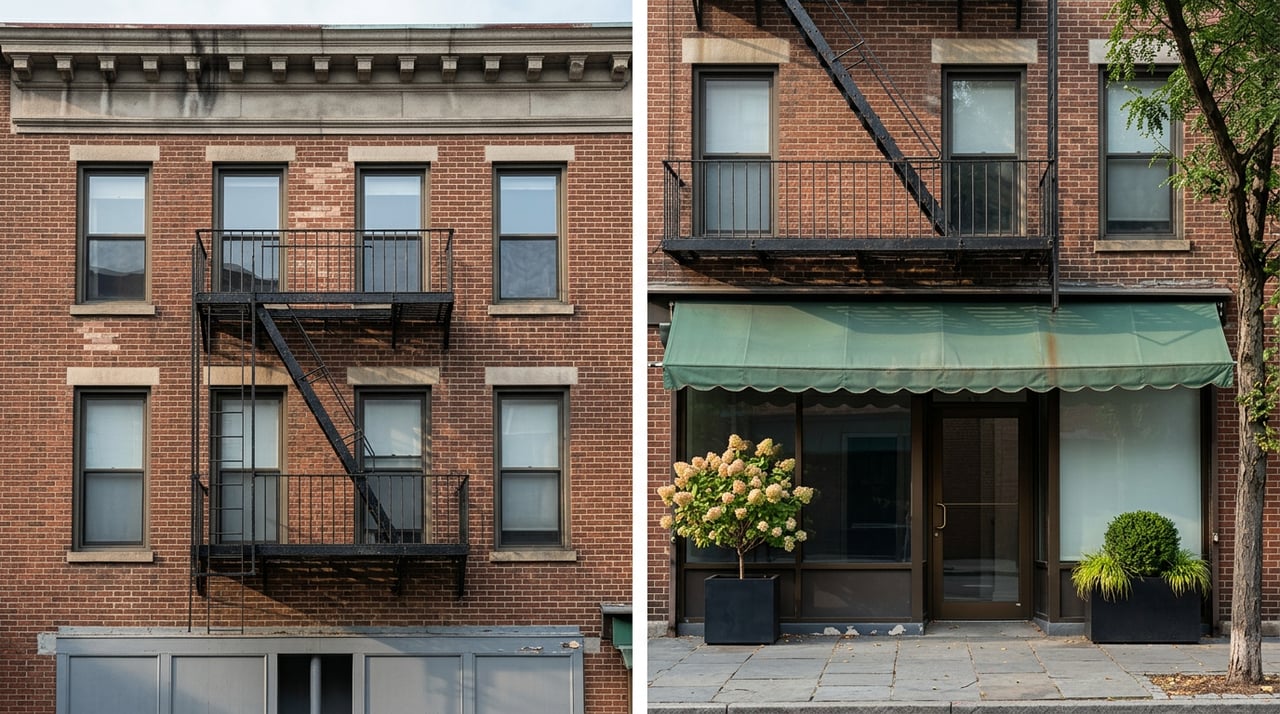
The West Village housing stock is older, more historic, and more low-rise than many buyers expect. StreetEasy describes the neighborhood as mostly residential, with historic townhouses and walk-ups, plus a few newer Hudson River high-rises.
That means your biggest budget lever is often not leaving the neighborhood. It is adjusting what you expect within it. A smaller footprint, a less renovated apartment, or a co-op instead of a condo may be what gets you from renter to owner without giving up the Village setting you love.
For many buyers, this is the turning point. Once you separate true needs from nice-to-haves, the search becomes much more productive.
Even in a market with a little room to negotiate, strong preparation matters. Realtor.com reports that West Village homes sold for about 1.16% below asking on average in January 2026, which suggests there can be some flexibility, but not much.
The best opportunities usually go to buyers who are prepared. That means having your financing lined up early, understanding your comfort level on monthly costs, and being ready to move quickly when the right apartment appears.
If you are targeting a co-op, preparation also means having the financial documents and board package process in mind from the start. In a neighborhood where inventory is limited, a clean and organized buyer profile can make a real difference.
If your budget does not align with your ideal West Village block, you do not have to abandon the downtown lifestyle you want. StreetEasy notes that the neighborhood sits near Greenwich Village, Tribeca, Chelsea, and SoHo, with close access to the Hudson River Greenway and a highly walkable setting.
For some buyers, widening the search by a neighborhood or two creates better value without changing the overall day-to-day experience they are after. The key is staying focused on your lifestyle priorities, such as walkability, transit access, building type, and monthly cost comfort.
Buying in Manhattan is rarely about finding a perfect match on paper. It is about finding the smartest fit for how you actually live.
If you are ready to explore what ownership could look like in the West Village or nearby downtown neighborhoods, Fainna Kagan can help you build a smart strategy, understand the co-op and condo tradeoffs, and navigate the process with clarity and confidence.
Stay up to date on the latest real estate trends.



Known for her commitment and responsiveness to her clients, Fainna Kagan has repeatedly set records on the highest selling priced properties. Connect with her today!