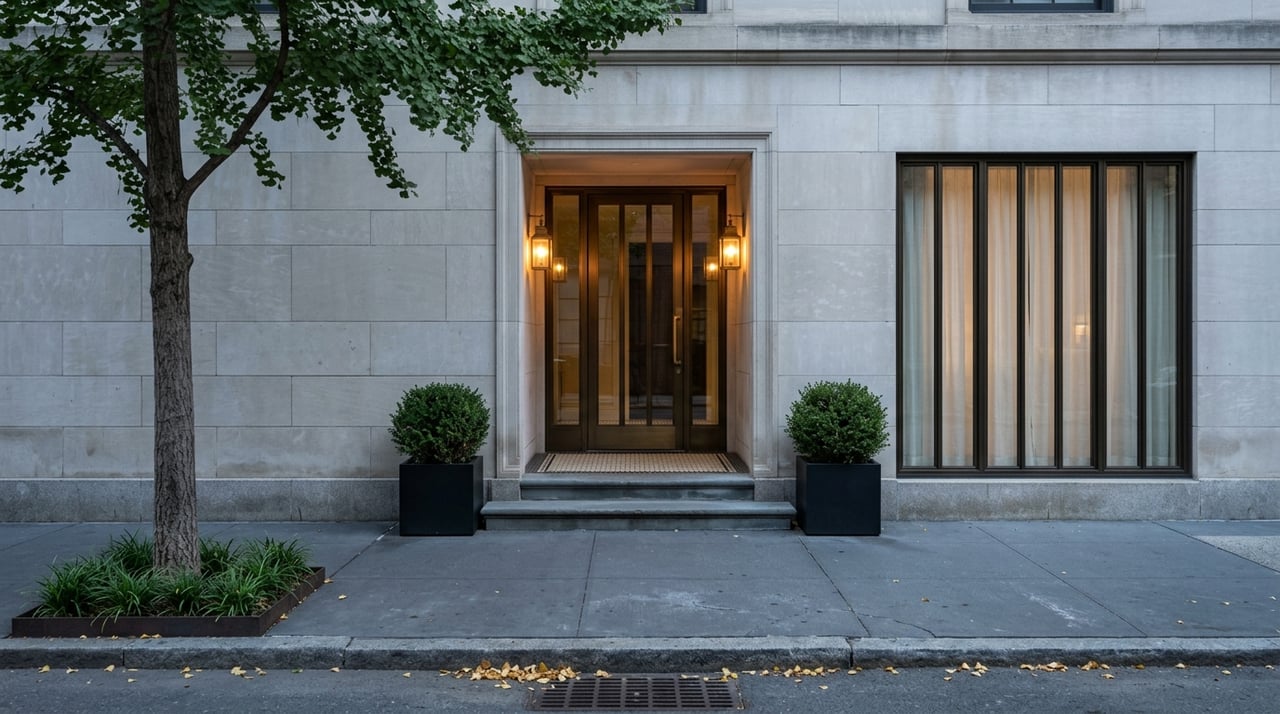
Museum Mile Upper East Side Homes by Micro-Neighborhood
May 14, 2026
May 14, 2026
If you love the idea of living near world-class museums but still want a neighborhood that feels livable day to day, Museum Mile can be more nuanced than it first appears. On the Upper East Side, a few blocks can change your routine, your housing options, and even the rhythm of your street. This guide breaks down the micro-neighborhoods around Museum Mile so you can better understand what daily life, value, and housing feel like in each pocket. Let’s dive in.
Museum Mile refers to the Fifth Avenue stretch along the eastern edge of Central Park, and the current Museum Mile Festival defines it as running from 82nd Street to 110th Street. That matters because this corridor is more than a collection of cultural institutions. It is also an active event route that can bring free museum access, outdoor programming, and heavier pedestrian traffic during festival hours.
The broader Upper East Side covers more ground. Manhattan Community District 8 places the Upper East Side between the north side of 59th Street and the south side of 96th Street, from Fifth Avenue to the East River. So when you look at homes “near Museum Mile,” you are really looking at a gradient of distinct Upper East Side lifestyles rather than one single experience.
On the Upper East Side, your exact location shapes your experience in a very real way. A home near Fifth Avenue and Central Park will usually feel different from one farther east near Second Avenue or Carl Schurz Park. That difference shows up in street activity, transit access, retail options, and pricing.
For most buyers, the decision is not simply whether to live near Museum Mile. It is whether you want immediate access to the cultural corridor, a more formal residential setting, a quieter landmark-heavy pocket, or a more practical everyday Upper East Side entry point.
Carnegie Hill is generally defined as 86th to 98th Streets, from Fifth Avenue to just west of Third Avenue. If you want a micro-neighborhood that feels closely tied to Museum Mile, Carnegie Hill is often the clearest fit. It places you near the museum corridor while still offering a distinctly residential feel.
This part of the Upper East Side tends to feel polished without being overly formal. Carnegie Hill Neighbors describes the area’s shops, restaurants, and service businesses as largely independently owned, which gives the neighborhood a more local, village-like character. That mix of culture, preserved streetscape, and neighborhood retail is a big part of its appeal.
You are also close to some of Central Park’s most valued east-side destinations. The Reservoir sits between 86th and 96th Streets, and the Great Lawn is between 79th and 85th Streets. For many buyers, that park access is just as important as the museums themselves.
Carnegie Hill offers a wide price range, even though it is often seen as one of the Upper East Side’s most established addresses. Current listing snapshots show everything from a one-bedroom around $289,000 to top-tier homes priced at $35 million and $19.5 million. That spread is a good reminder that the neighborhood includes both aspirational trophy properties and more accessible entry points.
If you picture the most formal version of the Upper East Side, you are likely picturing the blocks between Park and Fifth Avenues, especially in the 60s through 80s. These streets are closely associated with stately co-ops, newer condos, and the classic Upper East Side image. This is also the area where Museum Mile’s cultural pull meets some of the neighborhood’s most recognized residential addresses.
Living here can mean being close to Central Park, museums, and major avenues, but it can also mean more visitor activity nearby. StreetEasy notes that the Upper East Side stays lively because of its proximity to tourist destinations, even though many residential streets remain quiet. In practical terms, you may get both a classic residential setting and a more active public-facing environment.
Lenox Hill has one of the widest pricing ranges on the Upper East Side, with a very visible premium tier. Current listings include examples from around $325,000 for a one-bedroom to as high as $68 million for a mansion-scale property. This is where the distinction between Fifth Avenue co-ops and Park Avenue elegance becomes especially clear, with some of the neighborhood’s most formal and expensive housing stock concentrated here.
Yorkville is the eastern side of the Upper East Side, and it has a more relaxed identity than the blocks closer to Fifth Avenue. StreetEasy describes it as laid-back and less formal, while Friends of the Upper East Side points to its immigrant roots. Together, those details help explain why Yorkville often feels more local and more everyday than the ceremonial feel of the museum corridor.
For buyers who want an Upper East Side address but need a more approachable price point, Yorkville is often the strongest value story. StreetEasy currently reports a median sale price of $850,000 and a median base rent of $3,750. Zillow listing snapshots also show examples such as a one-bedroom around $315,000 and a two-bedroom around $679,000.
That does not make Yorkville inexpensive in absolute terms. It does mean you may find a more practical entry point into the Upper East Side market here than along Museum Mile or the Park Avenue core.
Transit improves as you move west and south. The MTA says the first phase of the Second Avenue Subway extended the Q line to 96th Street, with stations at 72nd, 86th, and 96th Streets, and those Q stations are ADA-accessible local stops. Even so, Yorkville is still often described as having fewer transportation options than other parts of the Upper East Side, so your exact address can make a noticeable difference in daily convenience.
One of the biggest misconceptions about Museum Mile is that it must feel busy all day, every day. In reality, the Upper East Side can feel lively near museums, park entrances, and major avenues while still staying calm on many side streets. That contrast is part of what makes the area so appealing.
The annual Museum Mile Festival makes that contrast easier to picture. During the event, Fifth Avenue becomes much more of a public gathering space, with open museums and outdoor programming. Outside of those peak moments, many nearby residential blocks return to a much quieter pace.
Living near Museum Mile is also about green space. Central Park is a major part of the appeal, with the East Side Green at 69th Street, the Great Lawn, the Reservoir, and the Conservatory Garden all helping the area feel park-centered. If you live farther east, Carl Schurz Park adds a different kind of outdoor experience with its riverside promenade views and dog runs.
That means your lifestyle can vary a lot by location. Near Fifth Avenue, your daily routine may feel tied to museums and the park. Farther east, it may feel more tied to local restaurants, neighborhood errands, and riverfront open space.
Retail is another useful way to compare these micro-neighborhoods. Madison Avenue, which runs from East 57th to East 86th Streets within the BID area, is the clear luxury shopping corridor. If you enjoy polished storefronts and a more elevated retail environment, the western side of the Upper East Side may align more closely with your priorities.
Carnegie Hill offers a different experience. Its independent businesses create a more neighborhood-driven retail feel that many buyers find appealing. Yorkville, by contrast, is often associated with a more casual restaurant and bar scene, especially along Second Avenue.
The Upper East Side remains one of Manhattan’s premium large neighborhoods, but the market is far from uniform. Zillow’s March 2026 market page places the Upper East Side average home value at $1,338,235 and the median sale price at $1,225,000. StreetEasy shows a similar neighborhood median sale of about $1.2 million, with a median base rent of $3,950.
Those numbers are helpful, but they do not tell the whole story. The real story is the spread between museum-adjacent prestige, Park Avenue formality, Carnegie Hill’s landmark-rich character, and Yorkville’s more accessible pricing. That is why micro-neighborhood strategy matters so much if you are buying or selling here.
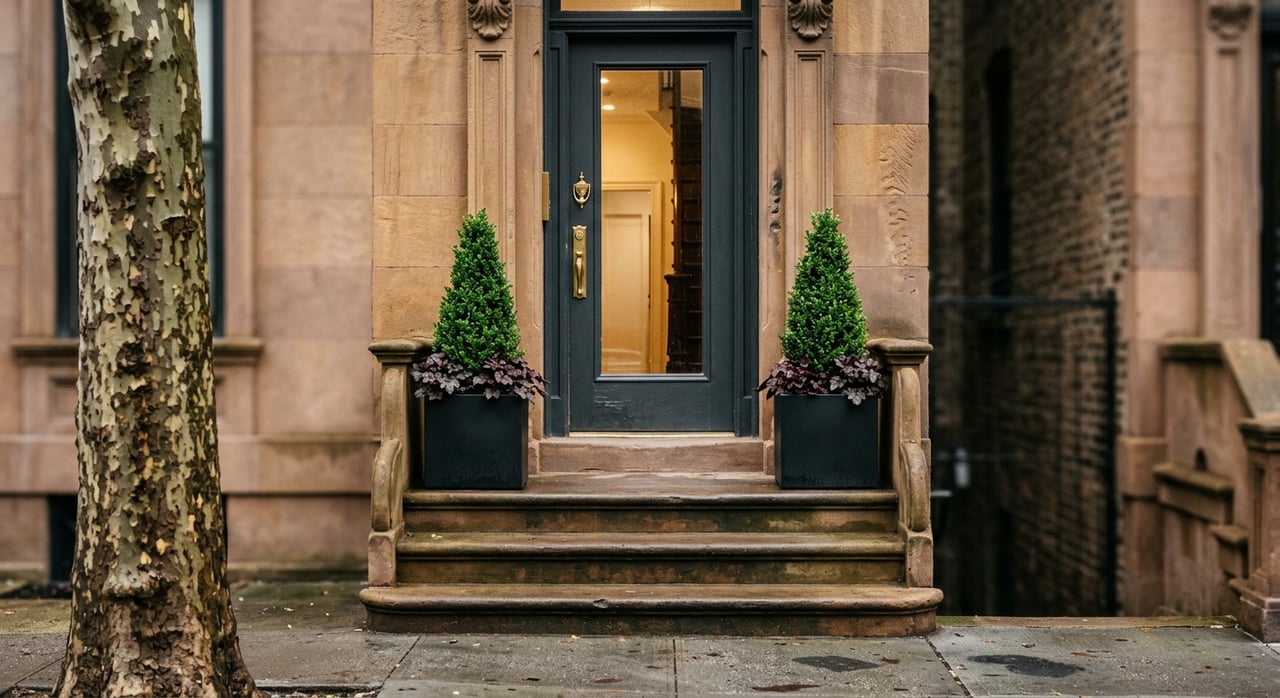
Preservation plays a big role in how the Upper East Side feels and why buyers continue to pay attention to it. Friends of the Upper East Side says the neighborhood includes 131 individual landmarks and 7 historic districts. It also describes the area as a mix of brownstone row houses, town houses, mansions, and apartment houses.
That level of architectural continuity helps the area feel durable over time. For buyers, that often translates into lasting appeal tied to prewar details, protected streetscapes, and the kind of neighborhood character that is hard to replicate elsewhere in Manhattan.
If you are buying near Museum Mile, the key is to choose based on how you want to live, not just what sounds prestigious on paper. Carnegie Hill may suit you if you want museum access with a strong residential feel. The Park and Fifth Avenue core may fit if you want a more formal Upper East Side experience. Yorkville may make the most sense if you want value, a more casual rhythm, and a practical path into the neighborhood.
If you are selling, your micro-neighborhood story matters just as much as your square footage or finishes. Buyers are comparing not only apartments but also block-by-block lifestyle differences. A smart marketing strategy should explain how your location connects to parks, transit, shopping, housing style, and the specific Upper East Side rhythm a buyer is looking for.
Whether you are buying your first co-op, moving into a larger home, or preparing to sell a high-value apartment, the details matter on the Upper East Side. That is where careful analysis and strong neighborhood positioning can make a meaningful difference. If you want tailored guidance on where you fit in this market, Fainna Kagan can help you navigate the process with clarity, strategy, and white-glove support.
Stay up to date on the latest real estate trends.
Known for her commitment and responsiveness to her clients, Fainna Kagan has repeatedly set records on the highest selling priced properties. Connect with her today!